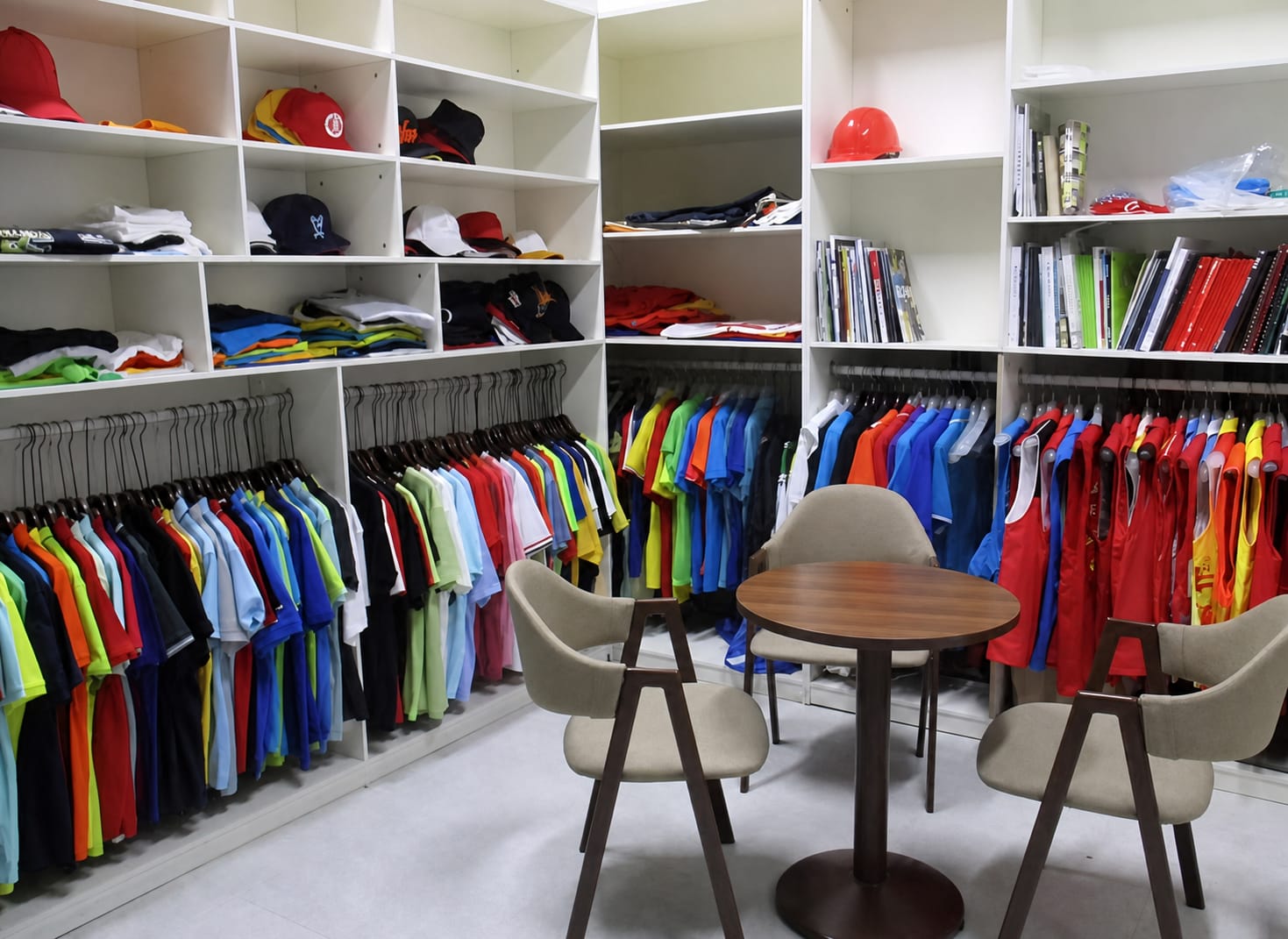
Polos and shirts
- Fabric
- Piqué cotton, cotton blends, easy-care blends
- Branding
- Chest and sleeve embroidery, woven labels, name tags
- Minimum
- 50 pieces per colour
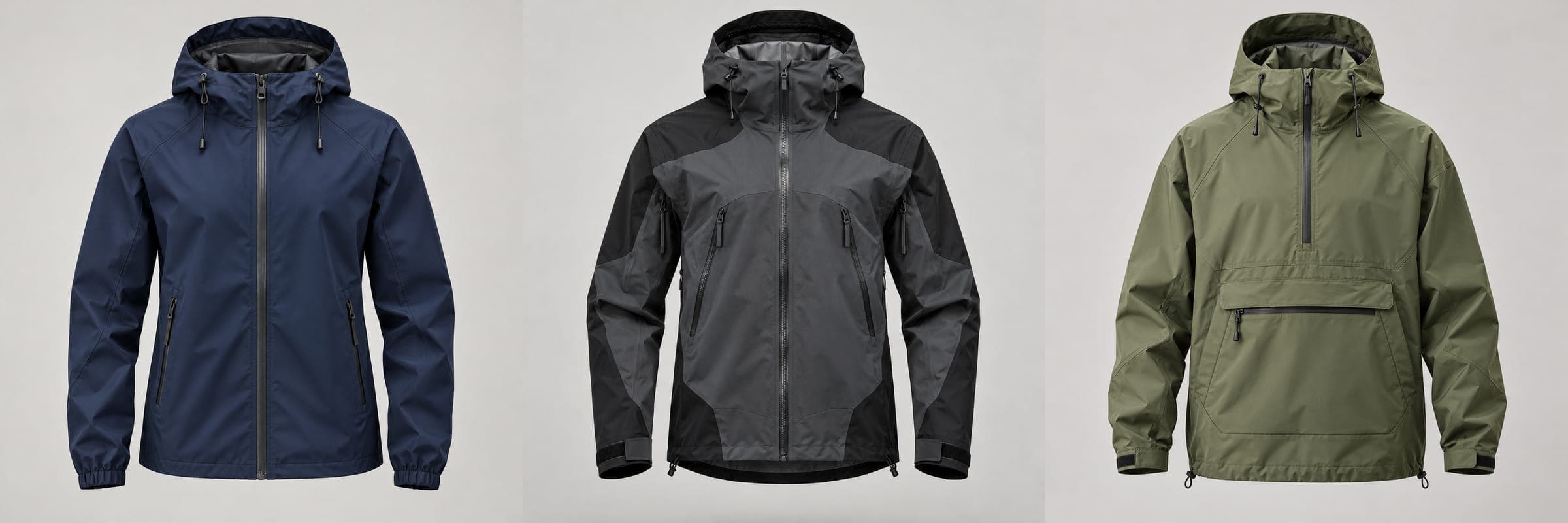
We source manufacturers for workwear built to your written product requirements, coordinate physical samples and on-site checks by our own team, and handle import and DDP delivery.
Request a quoteWorkwear must be specified around its intended use. Fabric and weight, fit, reinforcement zones, pockets, closures, seams, colours, branding, size grading and packaging need to be documented before manufacturers can be compared. We translate your requirements into one enquiry and match them with suitable production capabilities.
Where the product must meet particular legal, protective or industry requirements, these requirements need to be provided and verified for the specific project. We do not replace specialist conformity assessment and do not promise unspecified certifications. The manufacturer selection and inspection follow the requirements that are agreed in writing.
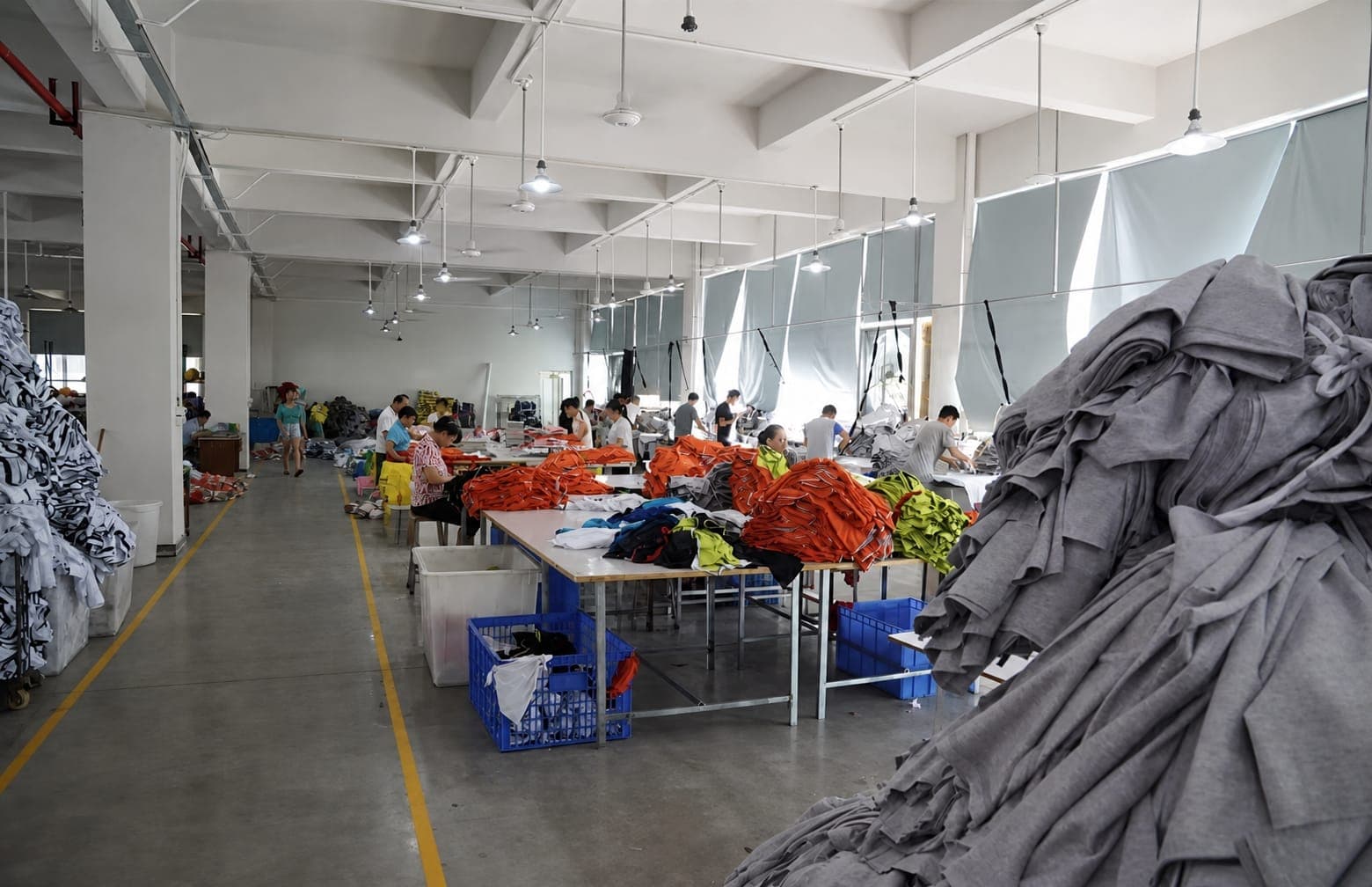
Our own team works on site at the producers, led by Felix Sander, co-founder of DS Trading, who works in China. The team knows more than 100 producers personally, including plants for polos, for outdoor jackets and for technical trousers. If you want to know whether a factory finishes reinforced knees cleanly or has your corporate colour in stock, someone from our team goes there and takes a look.
You have one European contact who goes through the project with you, from the first list of garments to DDP delivery, and carries it out. Your contact gets in touch whenever there is news, such as photos of the first sewn jackets, and says openly when a fabric or a zip arrives later. The dates we give you are realistic, and we do everything we can to keep them.
With reorders in a corporate colour, reliability is what counts, and trust is the most important thing we have. You know us personally; if there is a quality problem, we talk to you straight away and come to you. The workwear is delivered DDP and invoiced from Germany.
We match your corporate colour, fabric and branding on a sample. A Pantone code or a sample piece is enough.
Before the first order, we verify the manufacturer, including its business licence, and assess whether the stated production setup fits the article. Felix and our team on site talk to the factory directly; Ben is your German commercial contact in Hamburg.
A physical pre-production sample is checked and approved before the series begins. We send it to you so you can put on the jacket or trousers, try the pockets and zips and hold the corporate colour next to your reference. Only your written approval starts the series. We charge for the sample and its shipping and tell you the amount beforehand; the sample cost is credited in full against the production order. The approved item and written specification then provide the reference for production and inspection.
We produce uncertified workwear only: polos, softshell jackets, trousers and jackets. Certified personal protective equipment of categories II and III, such as high-visibility, flame-retardant or cut-resistant clothing, is out of scope, the same boundary as on the workwear and corporate fashion page.
Construction details for workwear: reinforced seams and stress points, fabric weight set per article in the specification, pocket layout, closures and colour. Colour consistency across batches is bound to an approved physical reference and checked during production and at the final inspection.
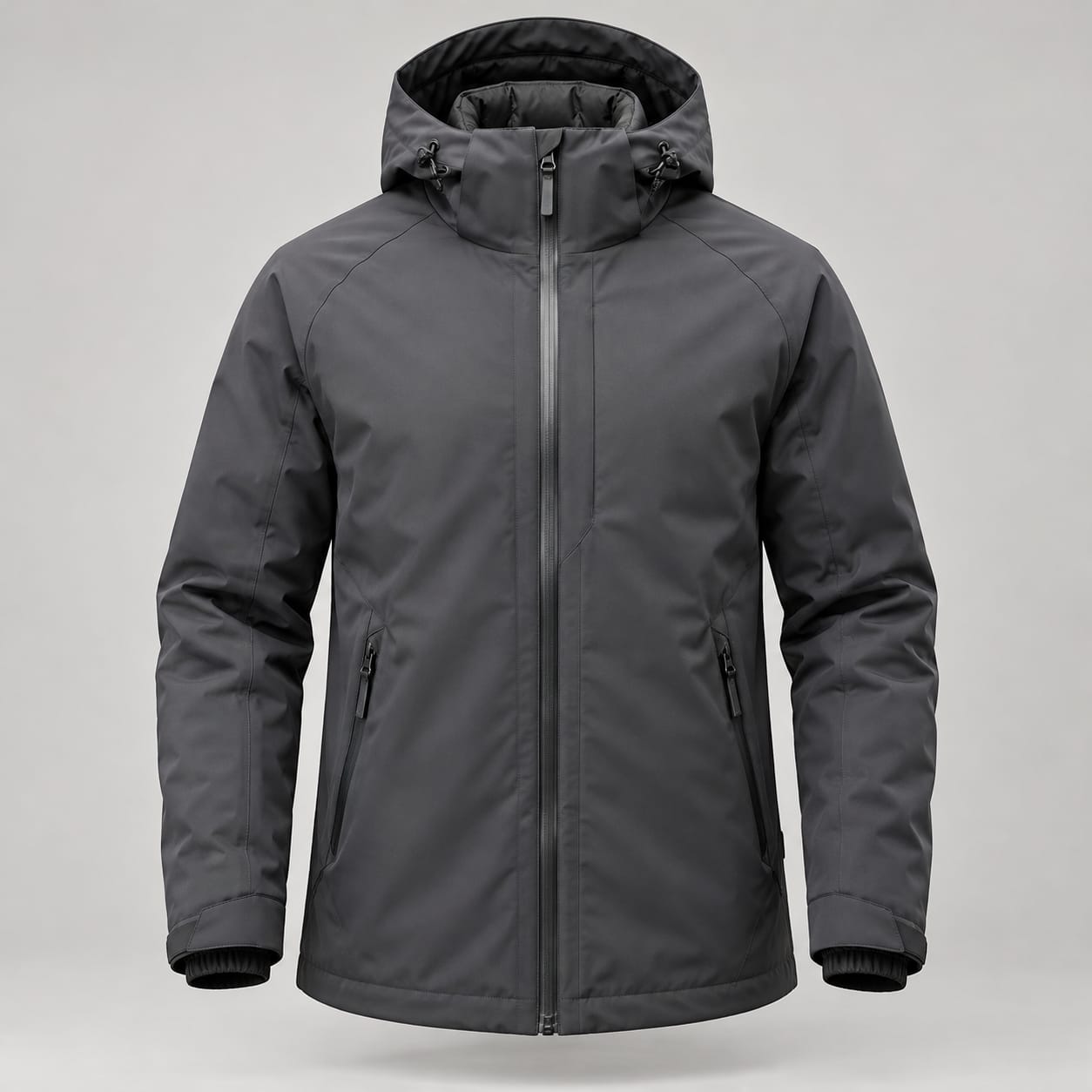
Workwear polos are usually made from piqué, either pure cotton at around 180 to 220 g/m² or a blend with polyester that keeps its shape better in the wash and dries faster. Softshell jackets consist of a stretchy outer fabric bonded to a membrane and a fleece lining. Work trousers get reinforcements of a heavier fabric at knee and seat, plus bartacks at the pocket corners and belt loops.
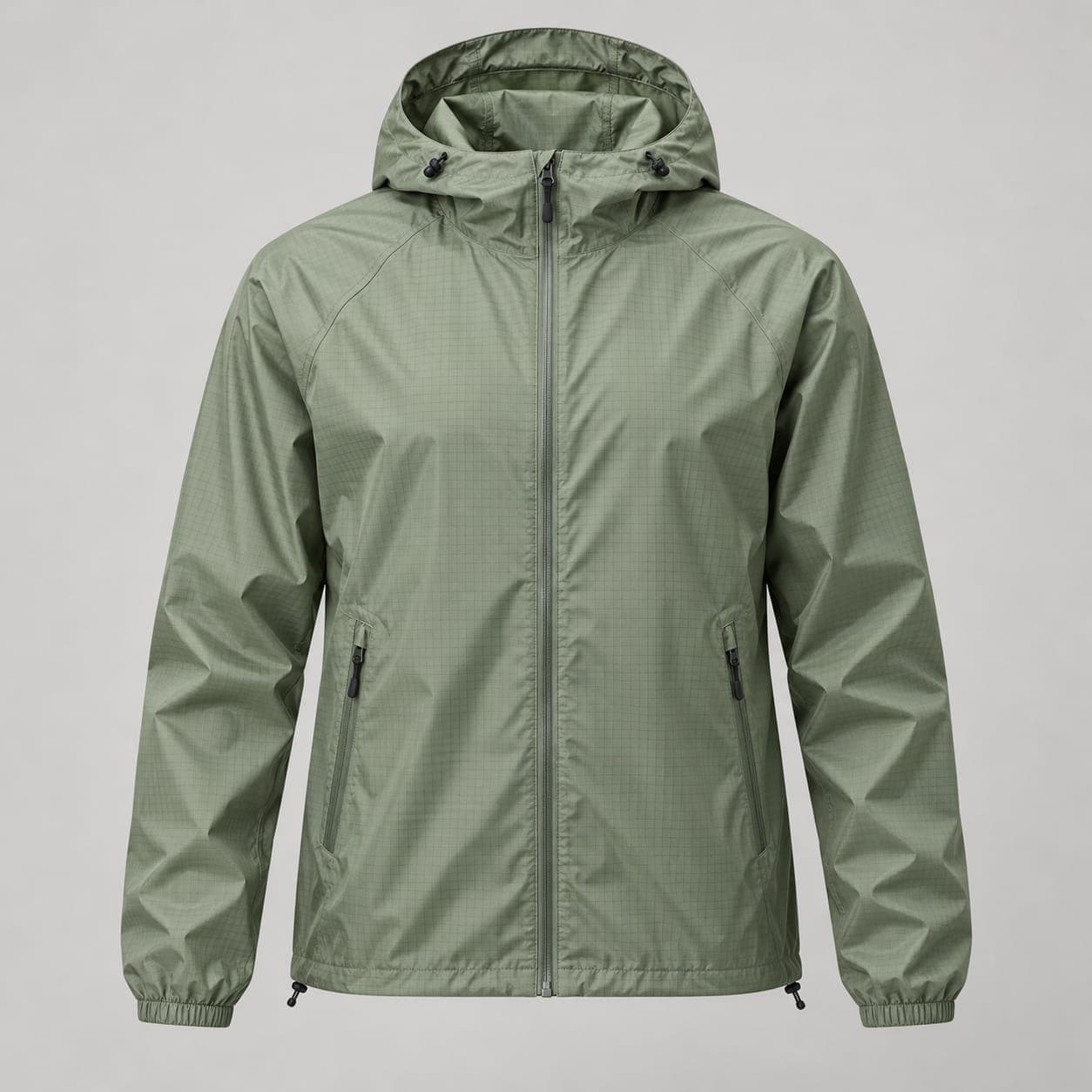
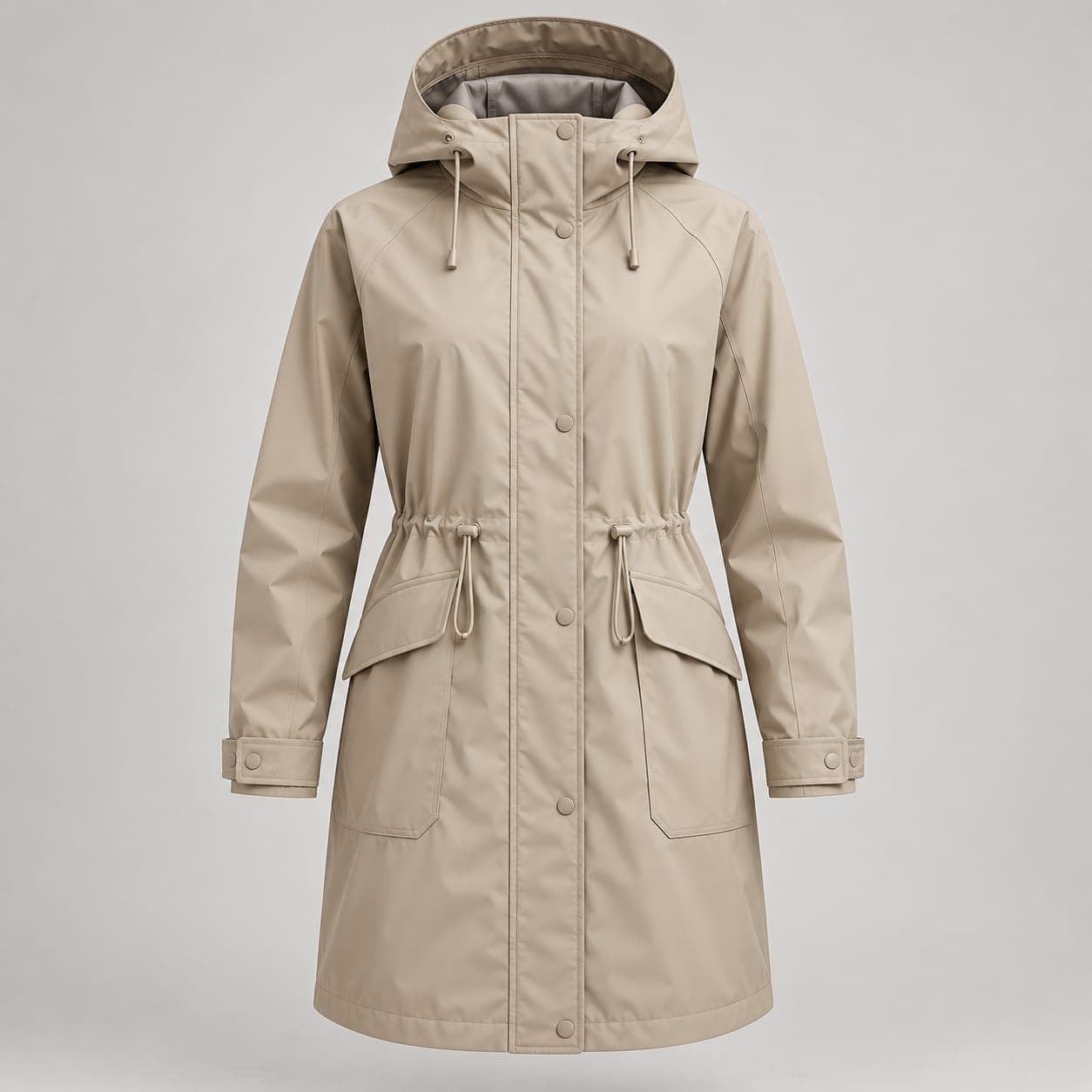
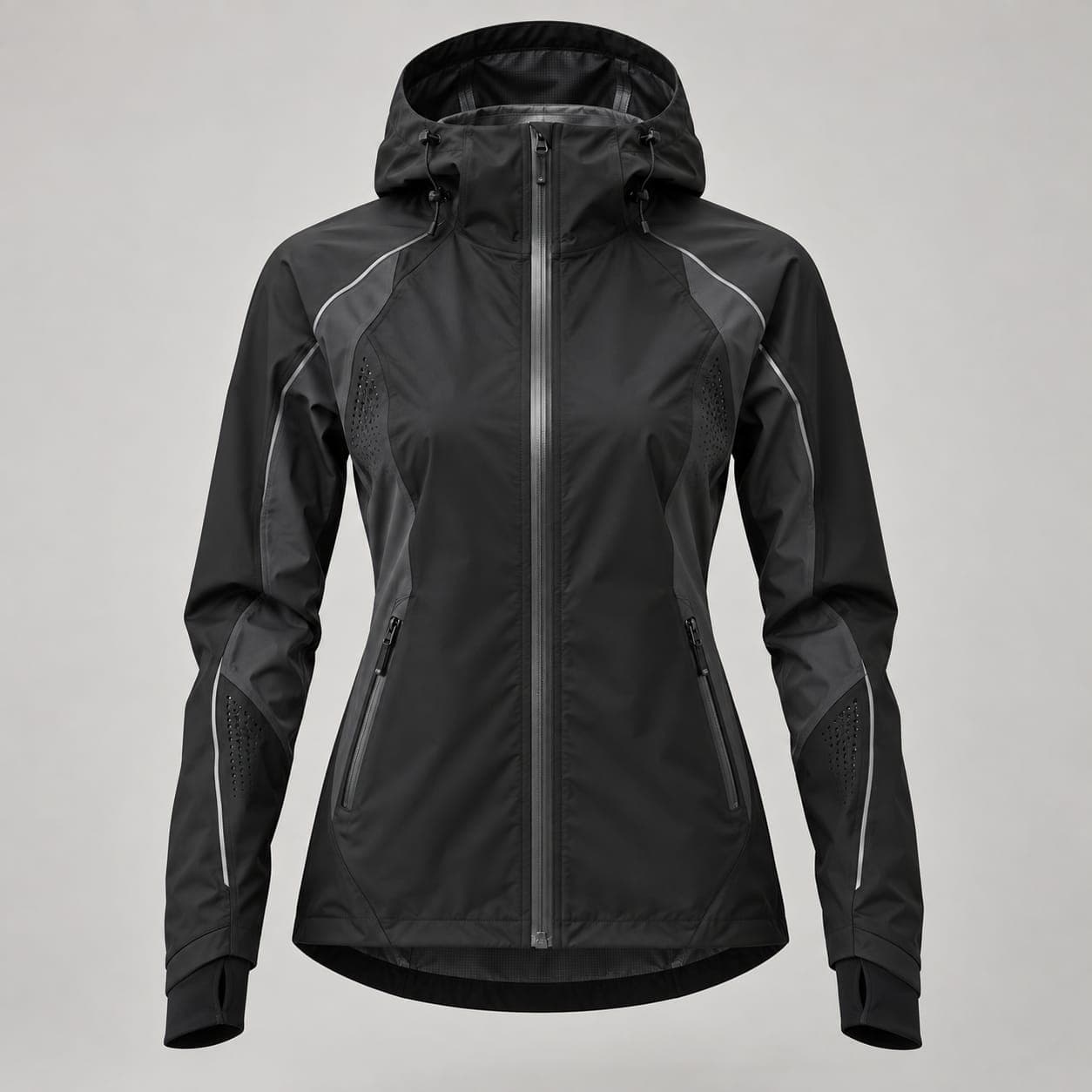
On polos, logos are usually embroidered on the chest. On softshell and rain jackets embroidery is tricky, because every needle hole pierces the membrane; there, producers tend to use heat transfer or a tonal embossing, for which a mould is made once. Reflective strips as a design element are possible, but they do not turn a jacket into certified high-visibility clothing.
A simple off-the-peg jacket does not reach a high water column. If values such as 5,000 or 10,000 mm and taped seams are required, you need a suitable fabric, a factory that can seal seams and evidence for the specific article. We clarify this before the quotation, so you do not buy a jacket that only looks waterproof.
In our network, one plant makes polos, T-shirts and hoodies from cutting to packing, including digital printing. Jackets, vests and softshells come from an outdoor clothing specialist. Technical trousers are made by a manufacturer whose core strength is trousers. A programme of polo, jacket and trousers can therefore be split across two or three producers; we then hold the colour together through one shared physical reference.
For smaller quantities, producers often work with fabric from stock. An exact corporate shade is then only possible if a stock fabric matches it; otherwise fabric is dyed specially, which takes more fabric and more time. A polo and a jacket made from different materials rarely hit the same Pantone shade exactly. We show you colour cards or fabric swatches before you commit. Plus sizes should be listed with their quantities in the enquiry, because they affect fabric consumption and price.
A quote combines the FOB price with freight, import duty, import VAT, optional marine cargo insurance at approx. 0.3% of the CIF value, and DDP delivery to your address. Knitted articles fall under HS chapter 61, wovens under chapter 62; the EU third-country duty is 12%, to be checked for the specific project.
A softshell or weather jacket easily weighs 600 to 900 grams, a polo around 200. For jackets, sea freight at about 60 days to your door is therefore often worthwhile, while polos can also come by air freight in about 15 days. We produce workwear from 50 pieces per colour. No price example is given here because workwear varies too much by fabric and construction; the figure is calculated for your specification.
Our own team in China checks workwear twice, directly at the producer. During production it compares the first sewn pieces with the approved sample, while pocket position or stitching can still be changed. After completion, the second check on the finished goods follows before loading. Depending on the specification, this can include dimensions, workmanship, seams, closures, pocket positions, colours, branding, labels, packaging and quantity.
With workwear, our team pays particular attention to the points that take the most strain in daily use: bartacks on pockets, knee and seat reinforcements, zips and press studs. The colour of every batch is compared with the approved reference.
After that we organise sea or air freight, customs clearance and DDP delivery to your address. In the quotation you see product, logistics and import handling together as the landed cost.
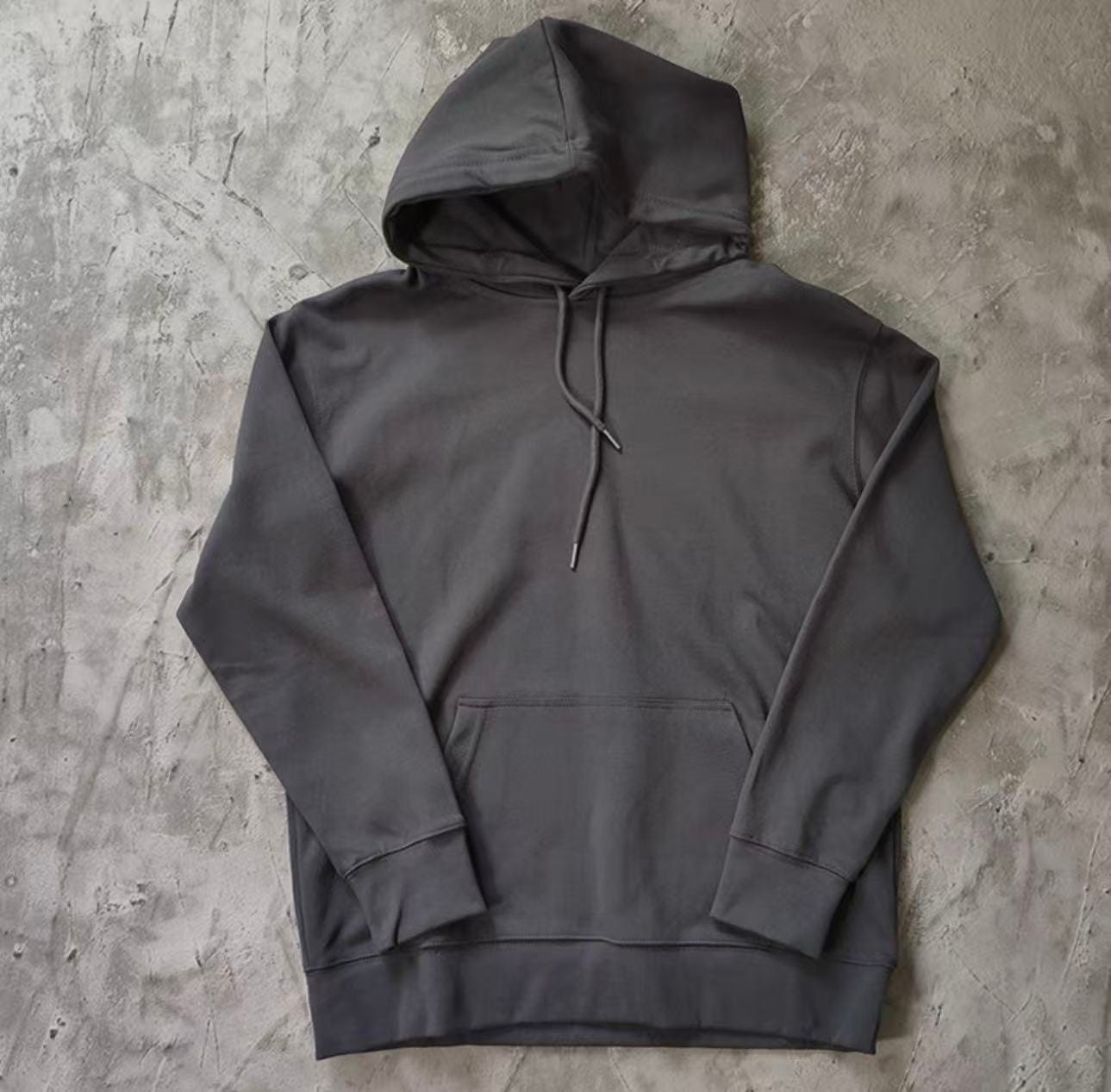
The minimum counts per colour. 50 black hoodies work. If the same hoodie should also come in grey, that is 50 black and 50 grey, so 100 pieces.
Inside each colour you spread the pieces over the sizes the way you expect to sell them. Reorders also start at 50 per colour. Below that, a production of your own is not worth it with the producers. If your quantity is close, ask us and we say so honestly.
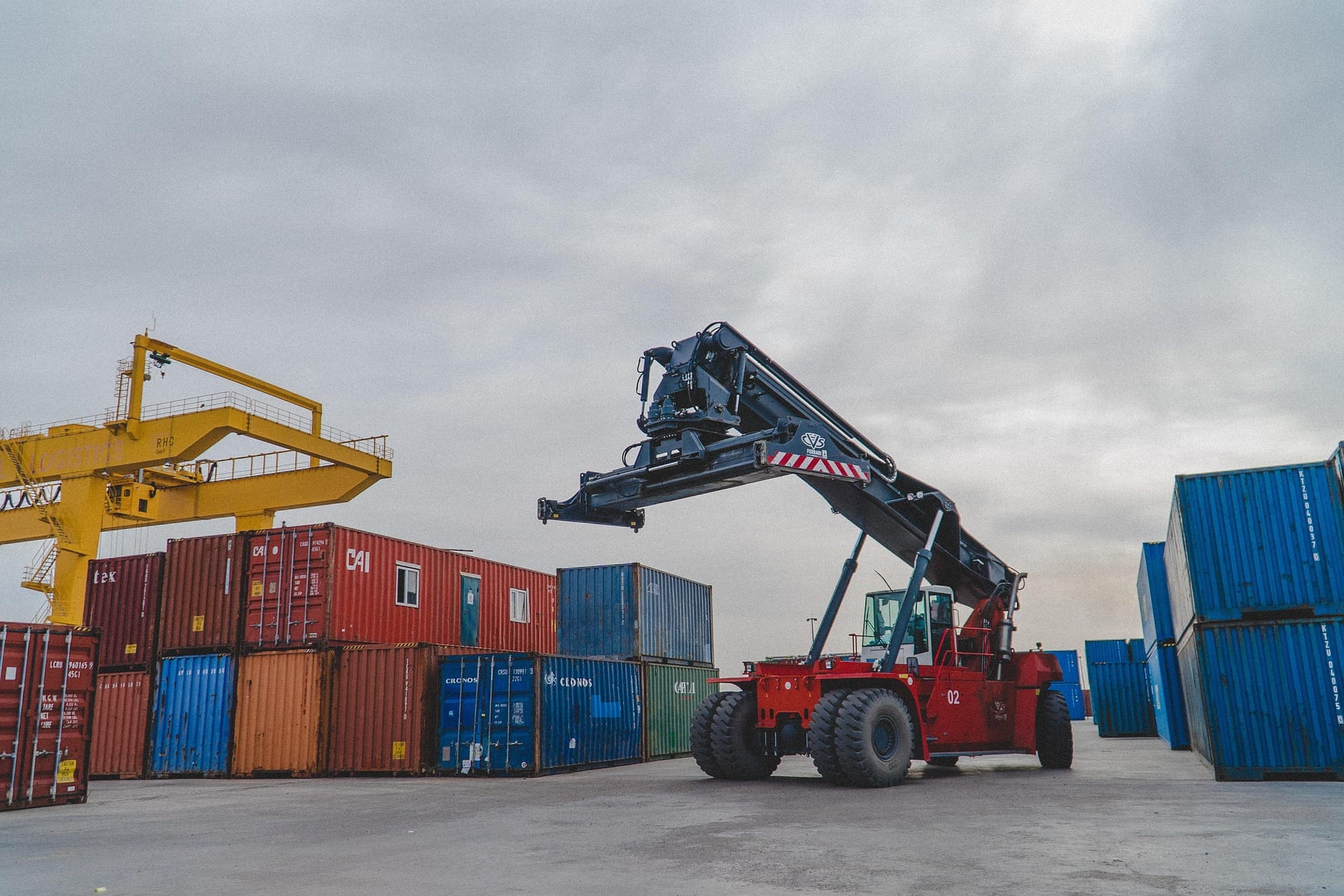 Process and timelineHow long each step takesReply in 24 hours, samples in 2 to 4 weeks per round, series from 3 days to 6 weeks, then air or sea freight.Open page
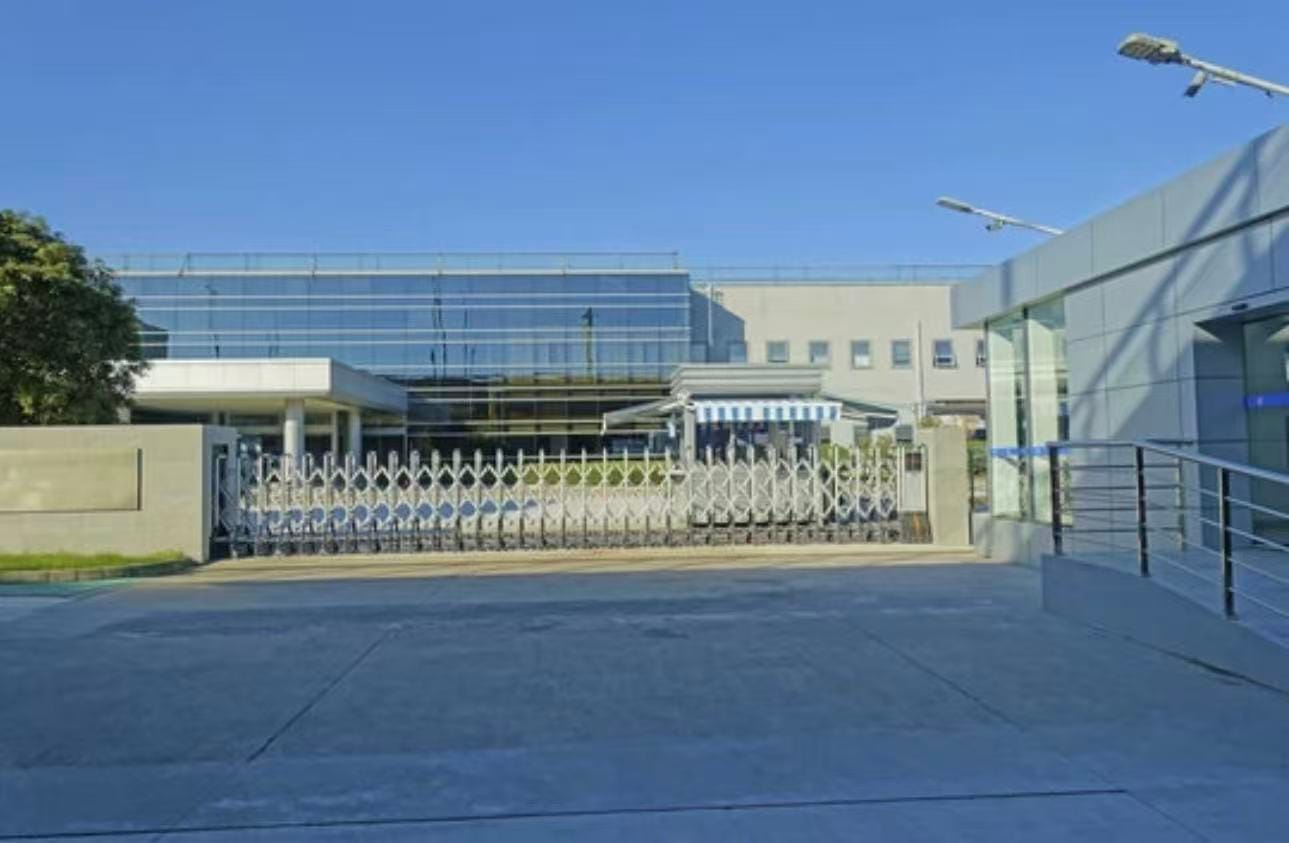 Certificates and auditsBSCI, SMETA, GOTS, OEKO-TEX and moreWhich certificates and audit reports we can offer for your project, and what they cover.Open page
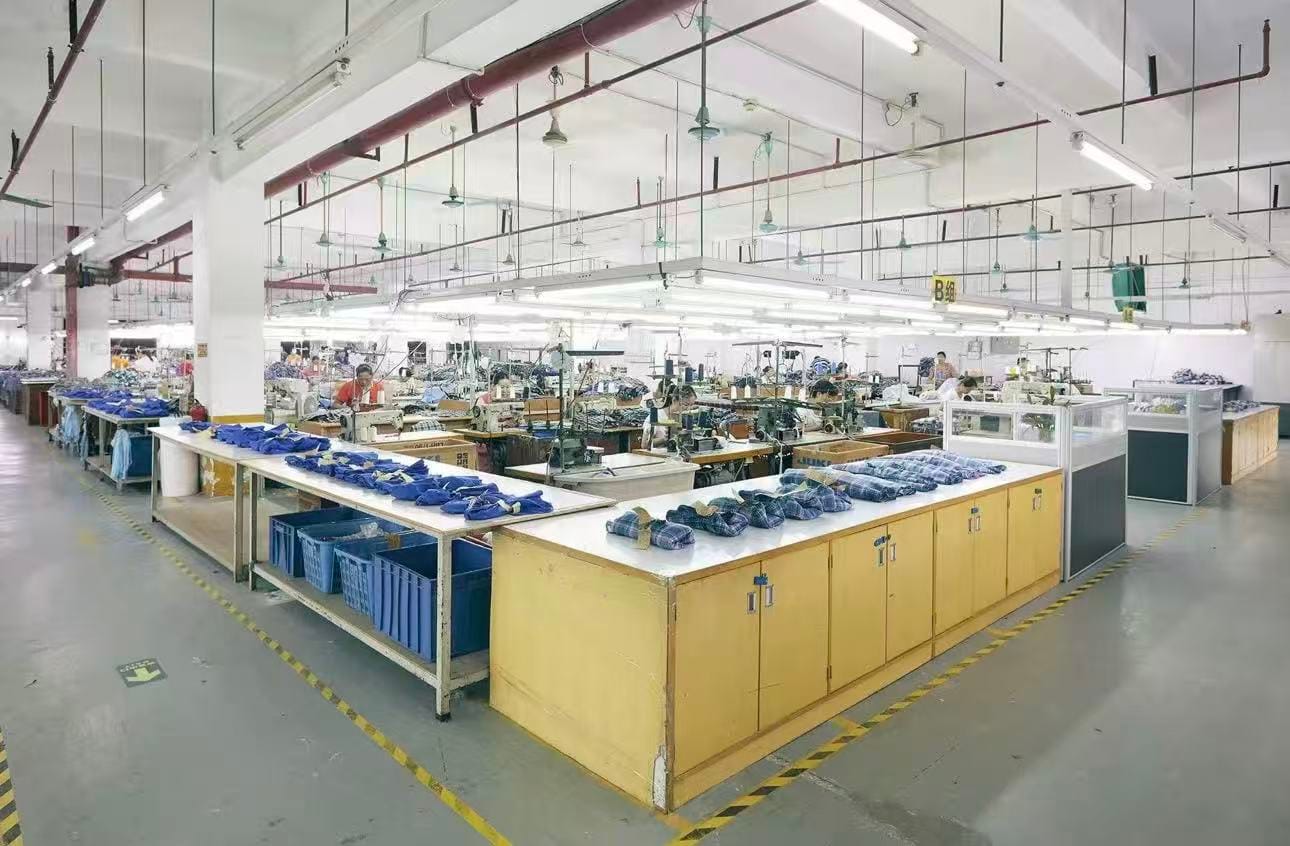
How manufacturers are selected and verified.
Open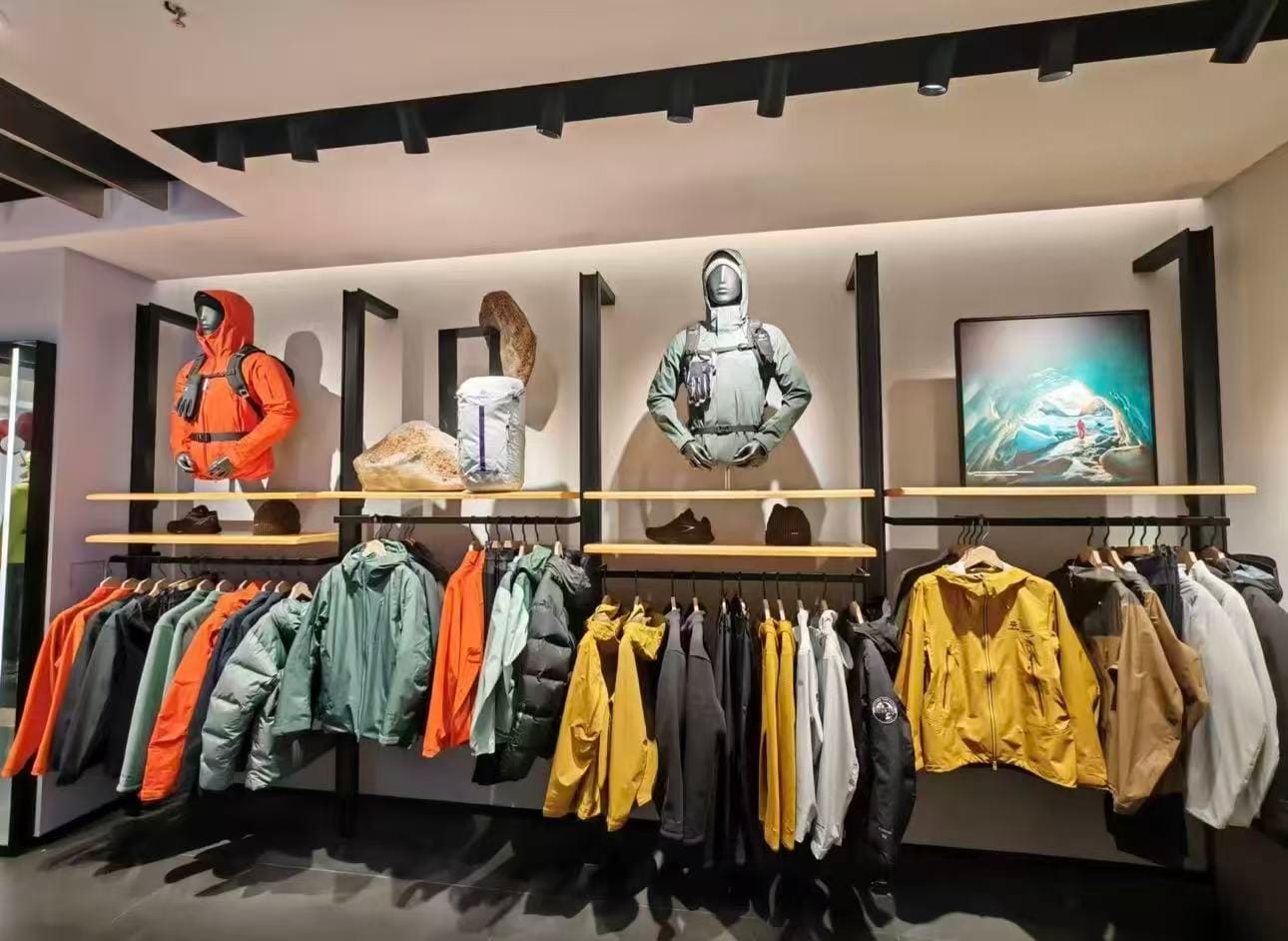
Reorder programmes in your corporate colour for retailers and brands.
Open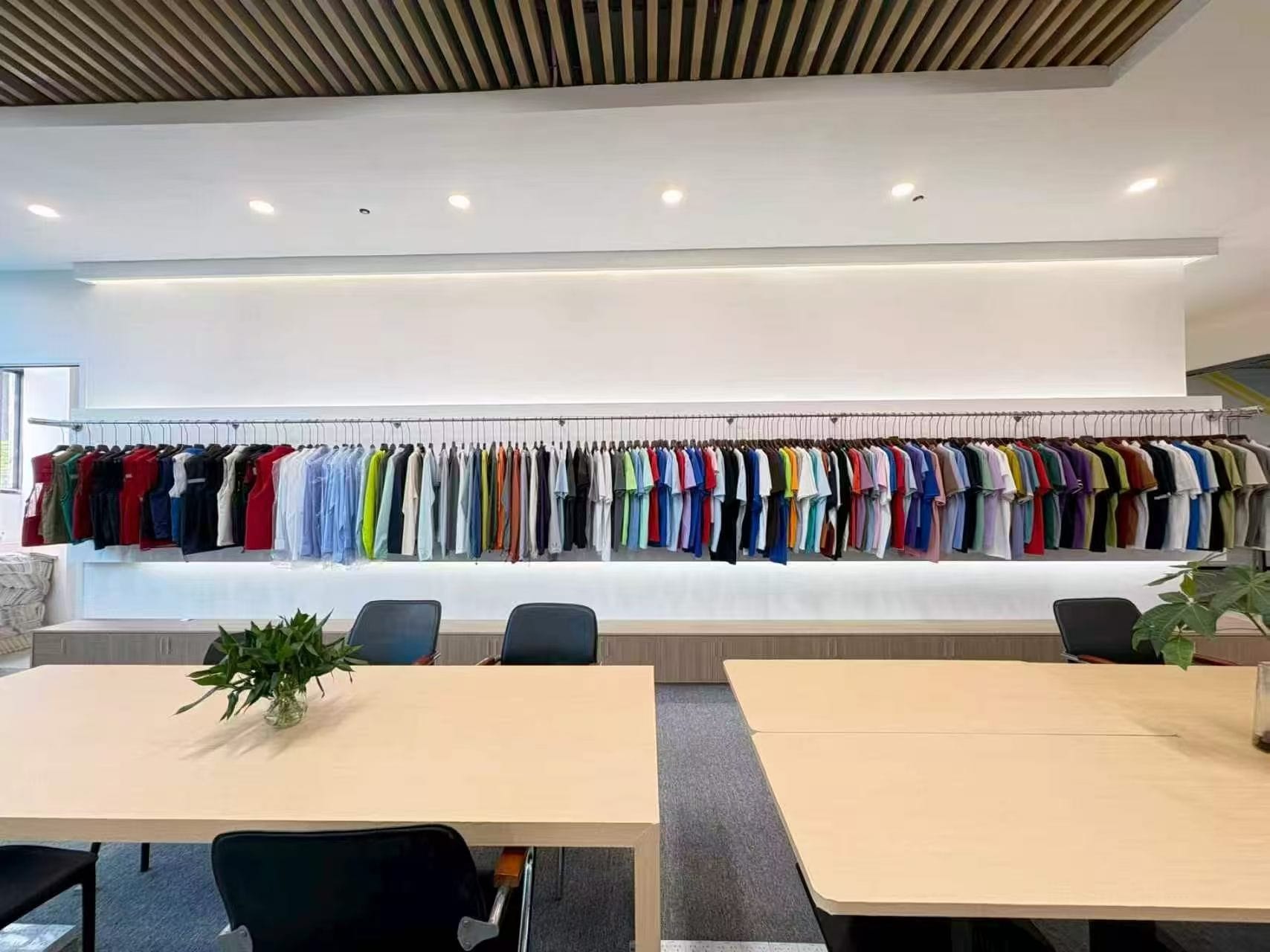
Search, verification and negotiation on site.
Open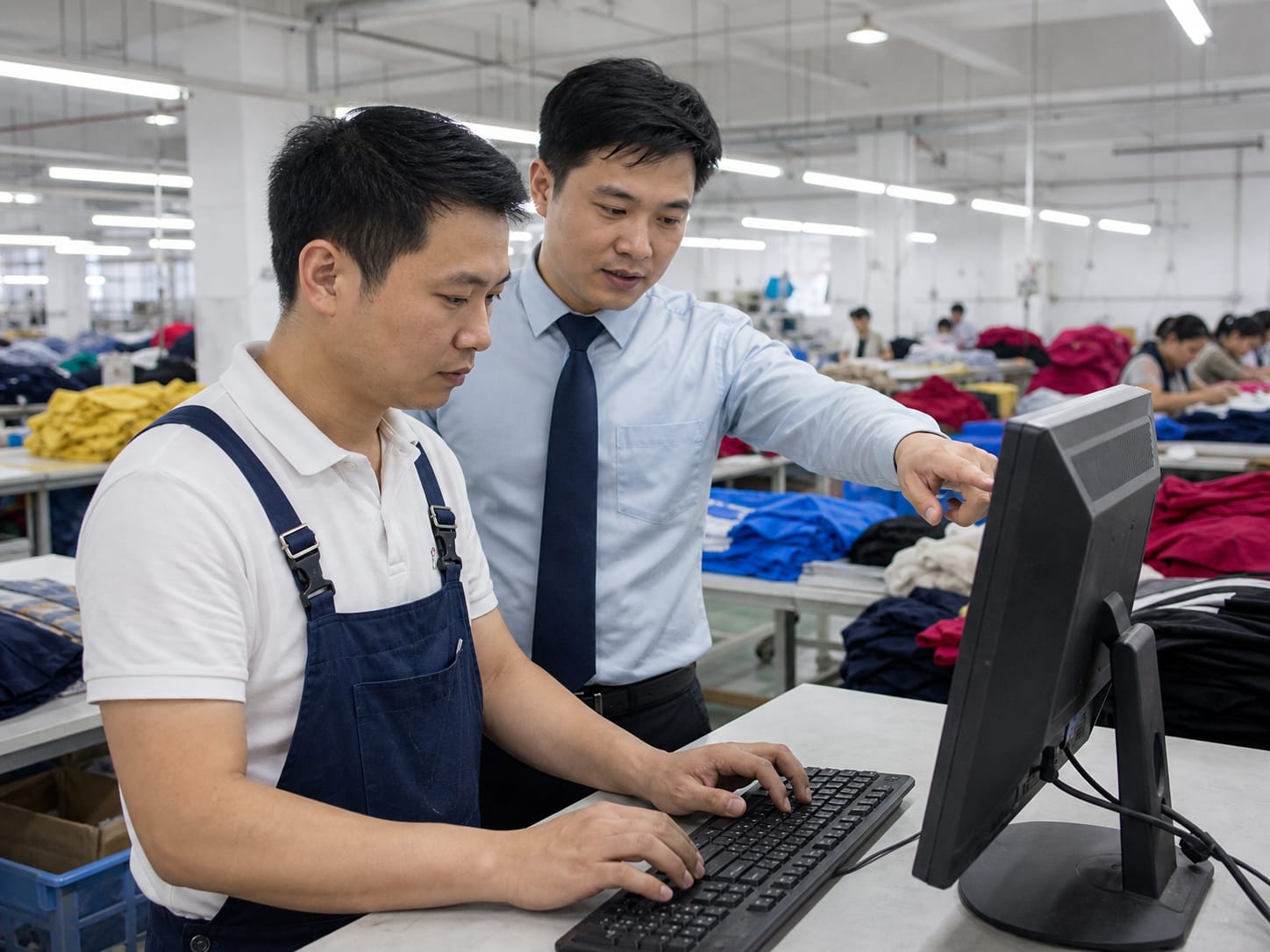
Checks by our own team during production and before shipment.
Open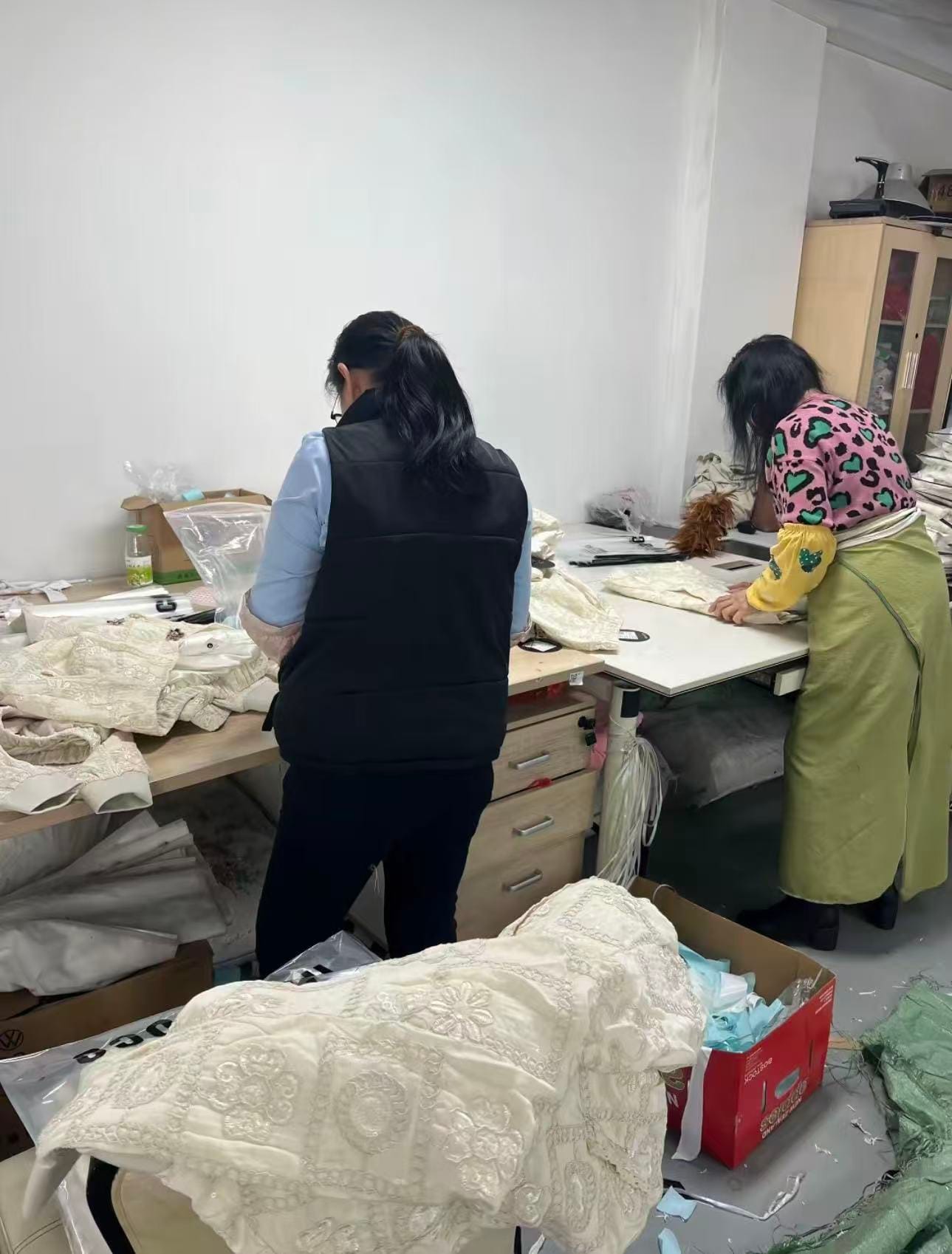
From specification and labels to repeat orders.
OpenYes. Embroidery, transfers or tonal embossing, their positions, dimensions and colours, and the corporate colour of the fabric are included in the specification and approved on the physical sample.
No blanket promise is made. Any legal, protective or industry requirement must be defined and assessed for the exact product and intended use.
The minimum order is 50 pieces per colour. The feasible distribution across sizes and variants is clarified for the project.
Uncertified polos, softshell jackets, trousers and jackets. Fabric weight and material are set per article in the specification rather than taken from a fixed catalogue. Certified category II and III protective equipment is out of scope.
Colour is bound to an approved physical reference from the first order and checked against it during production and at the final inspection. Fabric dyed in a different lot is the main deviation risk, so this check runs on every batch.
Yes, it is possible, but every stitch pierces the membrane, so the jacket is less waterproof at that spot. On softshell and rain jackets, heat transfer or tonal embossing are often the better choice. On polos and trousers, embroidery is the usual option.
Depending on the article, a sample takes about two to four weeks. After written approval, production takes 3 days to 6 weeks, followed by about 15 days of air freight or about 60 days of sea freight until DDP delivery. Delays are possible around Chinese public holidays.
Tell us the garments, how they are used at work, your corporate colour as a Pantone code or sample piece, logos as vector files and the quantity per size. We reply within 24 hours and can tell you straight away what is feasible. If there is no tech pack yet, we go through the details on a call.
Request a quote