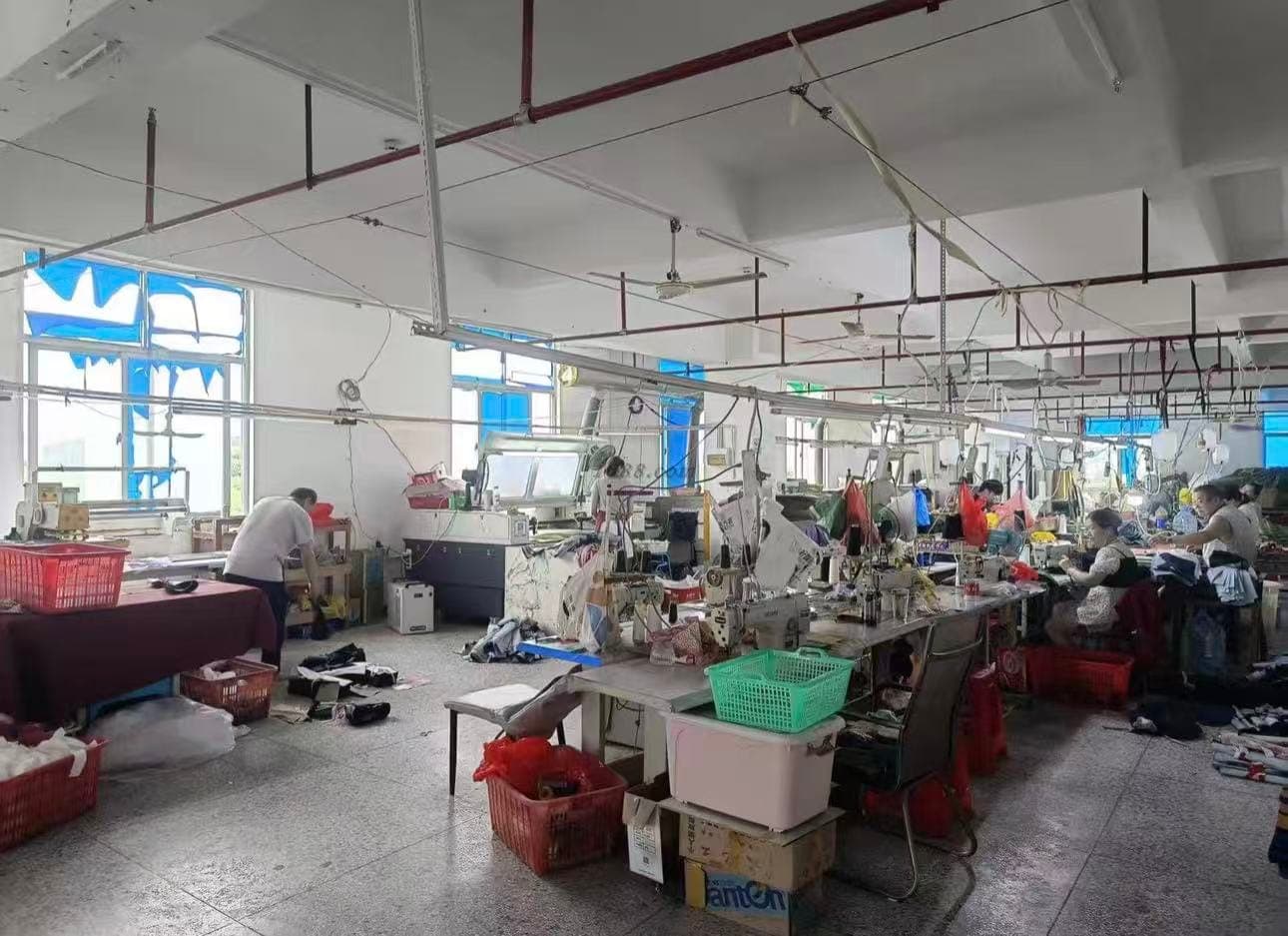
Producing sportswear in China
We source manufacturers for leggings, tops and other activewear based on intended use, fabric and fit, coordinate samples and inspection, and handle DDP delivery from 300 pieces.
Request a quoteIntended use determines the specification
Sportswear should be defined around movement and use. A yoga legging, running top and gym shirt need different combinations of fibre composition, fabric weight, stretch, recovery, opacity, seams and fit. These requirements belong in the specification before manufacturers are compared.
Functional claims such as moisture management or particular resistance values require defined test methods and suitable evidence. We do not derive them from a fabric name alone. If such a claim matters for your product, we agree the test method and the evidence separately.
Sportswear with one European contact and a team on the ground
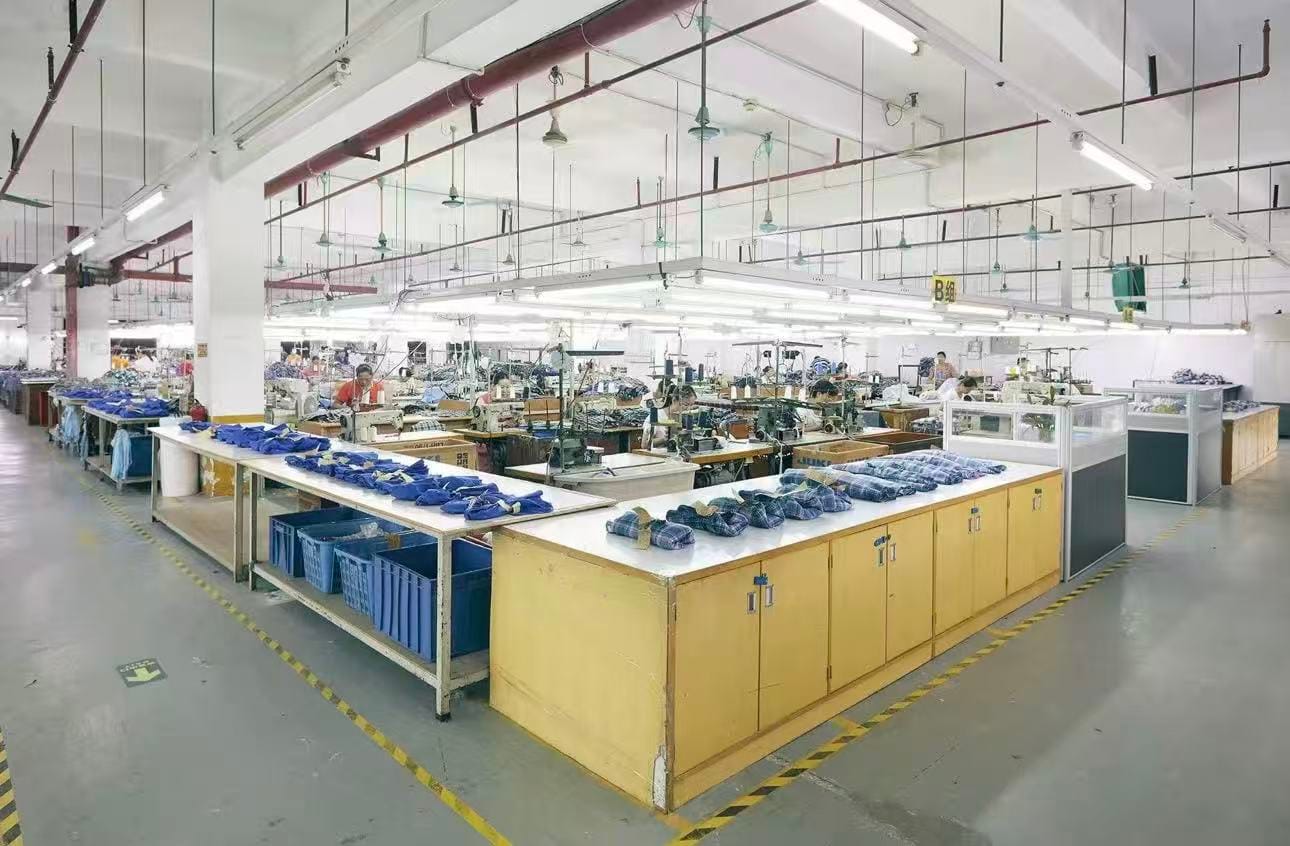
Our co-founder Felix Sander is based in China with a whole team, and together they know more than 100 producers personally, from the jersey factory with its own sublimation to the maker of technical outdoor trousers. Whatever you want to know about one of these plants, for instance which elastane qualities it works with or whether it has flatlock machines, our team checks on site straight away.
For many brands, importing from China is a black box, especially with performance fabrics whose quality a photo does not show. With us, one European contact goes through the entire project with you, from the choice of fabric to the fit sample to delivery, and makes sure it gets done. Your contact gets in touch on their own when the team has new photos or measurements from the factory, and tells you openly if a fabric arrives later than planned. The delivery dates you get from us are realistic, and we put everything into meeting them.
Our price is usually below what sourcing yourself or using another sourcing agency would cost. The reason is that we take on the step in China and the step in Germany ourselves, compare both sides and pick the cheaper option each time. With the factories we negotiate the best possible unit price, for a jersey just as for a softshell jacket. Delivery is DDP, the invoice comes from Germany. And if something is wrong with a delivery, we talk to you straight away and come to see you in person; your trust matters more to us than anything else.
- Specialists for jerseys, leggings, jackets and trousers, known personally
- One contact from fabric choice to delivery
- Sportswear delivered DDP, invoice from Germany
Fabrics and weights for sportswear
Jerseys and running shirts are usually made from polyester single jersey at 140 to 160 g/m², often with a rib collar of polyester with a little elastane. Leggings are mostly made from polyamide with a high share of elastane; seamless knitted styles run at around 76 to 24 and 220 to 250 g/m². Outdoor and hiking trousers work well in a four-way stretch woven of about 87 % polyamide and 13 % elastane at around 165 g/m², reinforced at knee and seat with a heavier fabric.
Combat sports shorts combine polyester with mesh panels and come in at around 200 g/m². For warm-up jackets and zip sweats, producers often use French terry of about 320 g/m² in a polyester and cotton blend. These figures are guide values from specifications we have worked on with our producers. The exact weight is set with you and the factory before the sample is made.
Finishing: sublimation, transfer and embroidery
Full sublimation dyes the design into the polyester fabric. It suits jerseys with all-over designs, because the print cannot be felt and does not crack. It needs a light fabric with a high polyester share; on cotton or a dark base it does not work.
For logos on dark fabrics and on stretchy leggings, producers use stretchable heat transfers or silicone print. Embroidery on polyester is possible but needs a backing on the reverse so the fabric does not pucker; on shorts, a PU backing is one option. Silicone grip strips at the waistband or hem keep shirts and shorts in place.
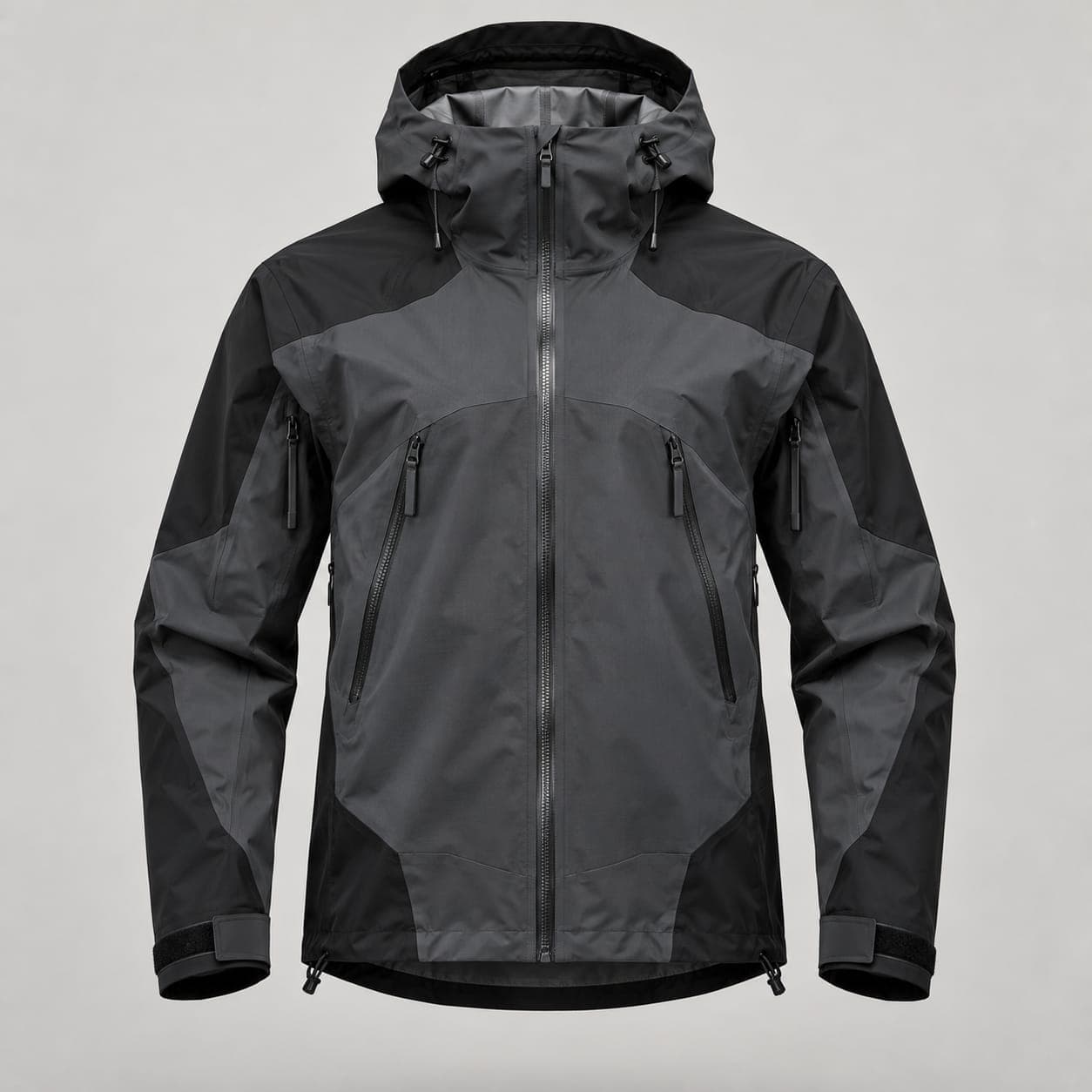
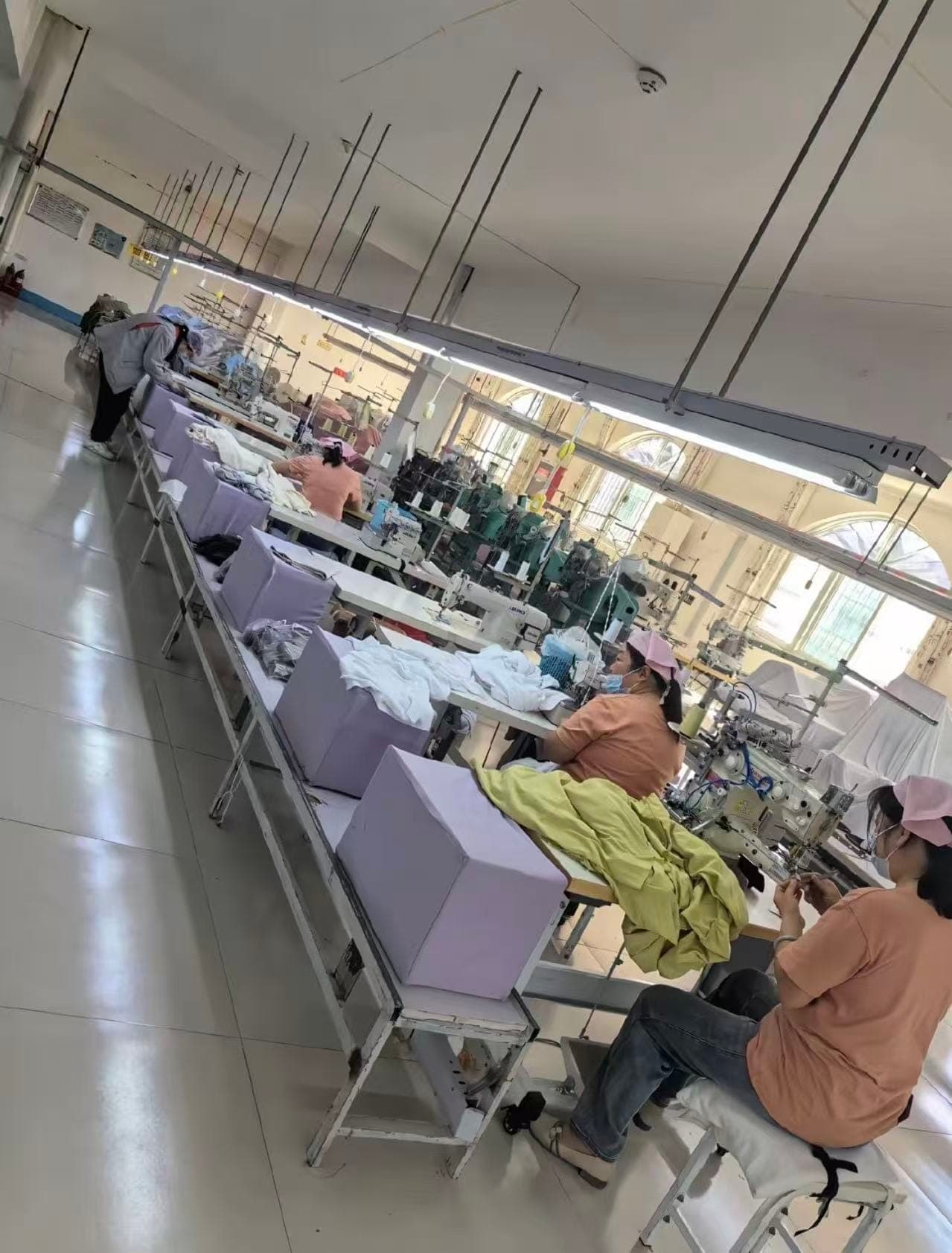
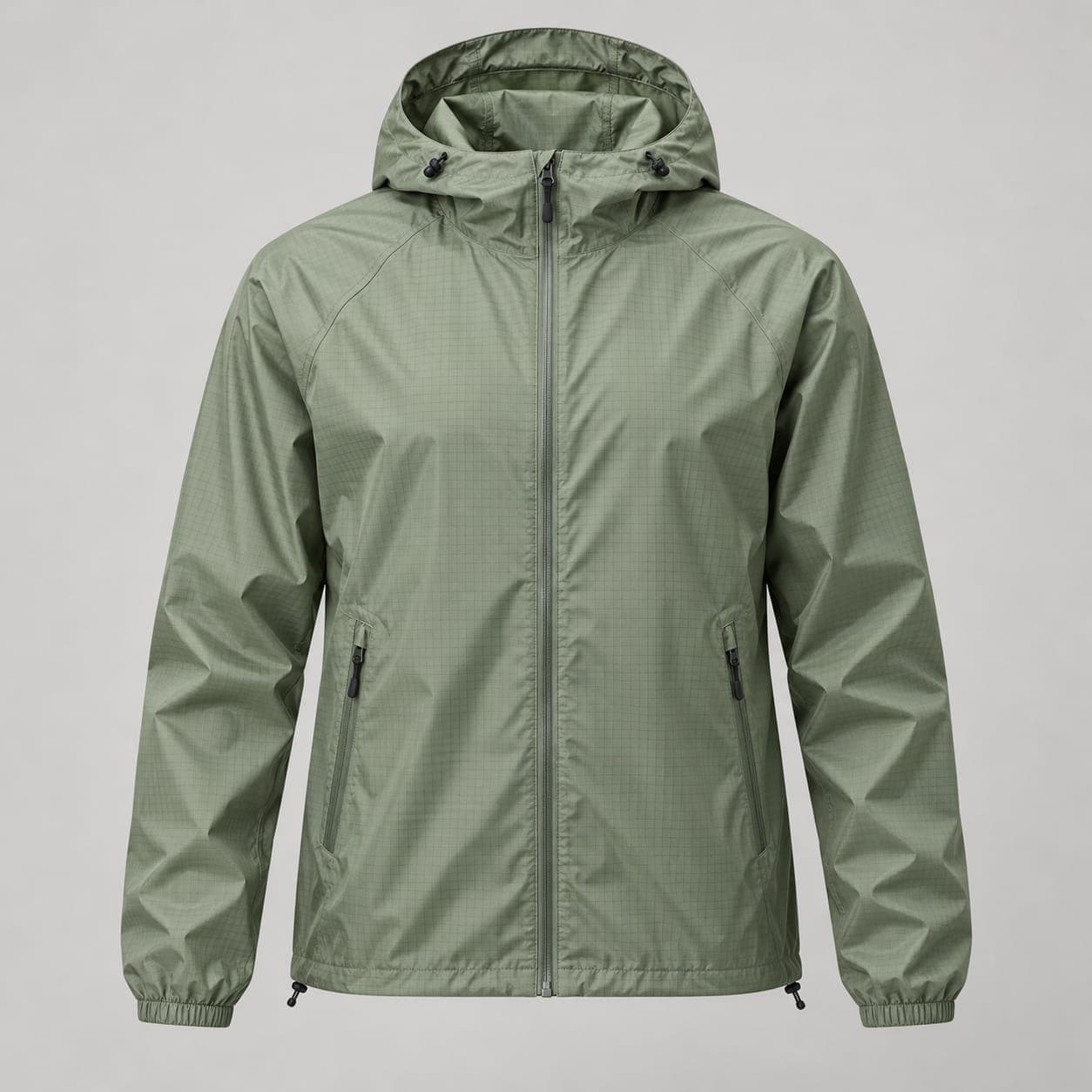
Our network includes a factory that specialises in sublimated polyester jerseys, where samples are ready within a few working days and a series takes five to seven working days. Functional jackets and softshells come from an outdoor clothing specialist, technical trousers from a factory whose core strength is exactly those trousers. We would rather spread a collection across the right specialists than order everything from one plant that only does part of it well.
Samples for fit, movement and colour
A physical pre-production sample lets you assess the garment on the body. Measurements, size grading, waistband or neckline, seam position and freedom of movement can be corrected before series production begins.
Colours, prints, logos, care labels and packaging are approved on the same reference. You receive this sample before every series: put it on, do a few squats and sprints in it, and only then approve it in writing. We charge for the sample and its shipping and give you the amount before the sample is sewn.
Quality control for activewear
Before the first order, we verify the manufacturer, including its business licence, and check whether its production setup matches the article. During production, samples provide an early comparison with the approved reference.
Our own team in China checks the goods twice at the producer: during production and again when the batch is finished, before shipment. For sportswear this covers measurements per size, seams, fabric appearance, stretch and recovery, colour, branding, labels, packaging and quantity. For leggings, opacity in the stretched state is on the checklist, for seams the question of whether they hold when stretched. Laboratory testing is planned separately where required.
Typical faults in sportswear are leggings that turn see-through when stretched because the fabric came out lighter than agreed, seams that snap under strain, and white streaks in sublimation where the fabric had a fold during pressing. Parts cut from different fabric lots can also differ in colour. These faults are prevented by a fixed weight and composition, flatlock seams at the stretch points and the check during production, while the batch is not yet fully sewn.
You can waive the two checks by our team; the order then becomes cheaper.
From manufacturer price to DDP delivery
The tariff classification depends on the article, fibre composition and construction and is checked for the specific order. Knitted sportswear usually falls under chapter 61 of the customs tariff, woven outdoor trousers under chapter 62. Besides the unit price, our quotation includes sampling, checks, freight, customs clearance and delivery, so you know what one garment costs you at your door.
A jersey weighs about 150 grams, an outdoor trouser roughly three times as much. Light garments often travel by air freight in about 15 days; for larger quantities, sea freight at 50 to 65 days to your door pays off. Delivery is DDP to the agreed address, and the invoice comes from Germany. We produce sportswear from 300 pieces per article; how that splits across sizes and colours depends on the chosen fabric and production setup.
On site at our producers
What you can check on a sportswear order
- A German contracting party based in Hamburg; your invoice comes from Germany and carries a German VAT ID.
- A fit sample that you have worn and approved in writing serves as the reference for measurements, grading and colour.
- Two checks by our own team at the producer: one during production, one on the finished goods before shipment.
- Check points for activewear: measurements per size, stretch and recovery, opacity, seam strength, print and sublimation quality.
- Fabric weight and fibre composition are written into the specification and compared with the approved fabric.
- DDP delivery into the EU including customs and import VAT; Switzerland is supplied DAP.
Clothing manufacturers
How we select and verify the right production partner.
Open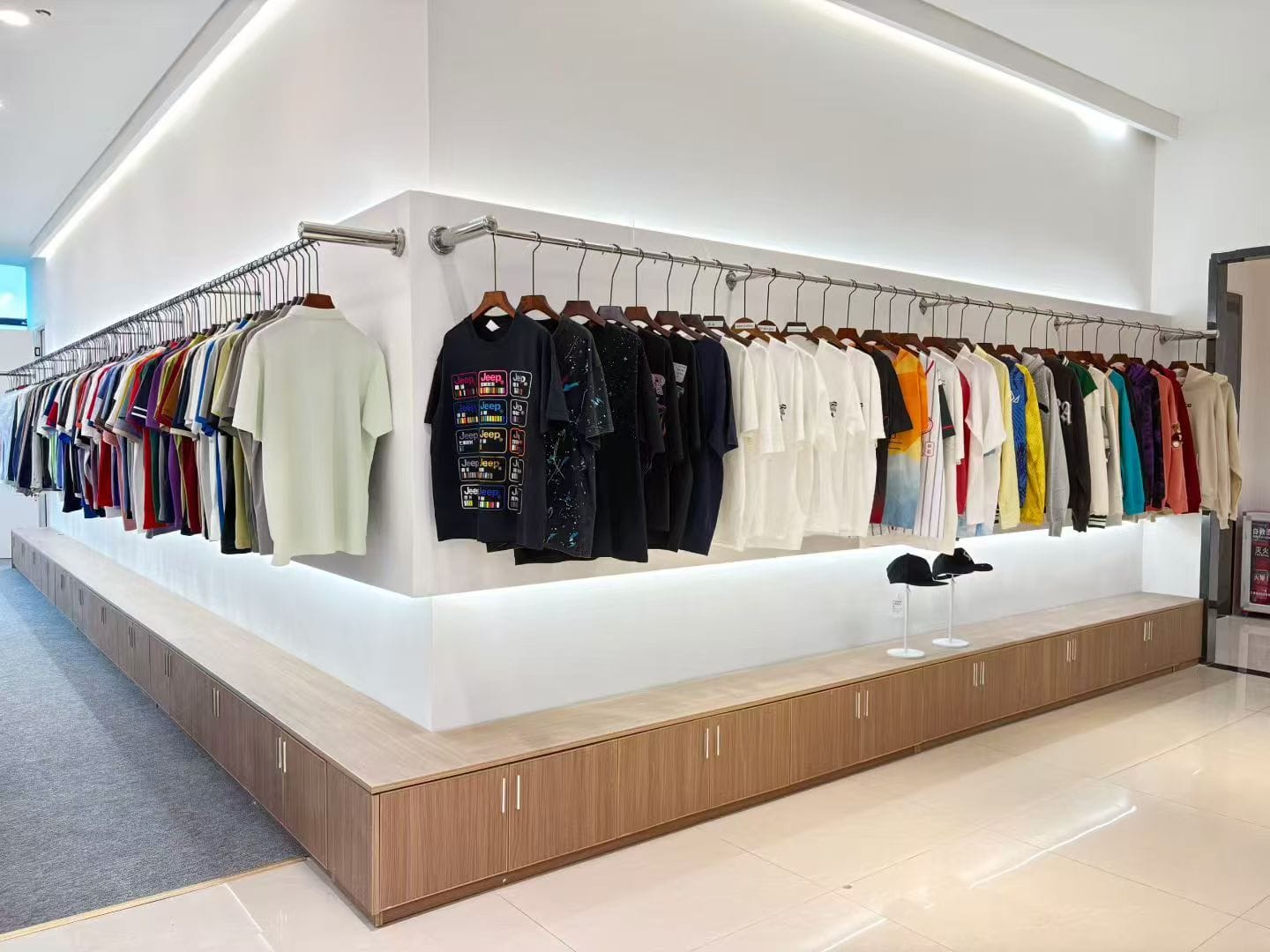
T-shirt manufacturers
Fabric weight, fit, print and construction for T-shirts.
Open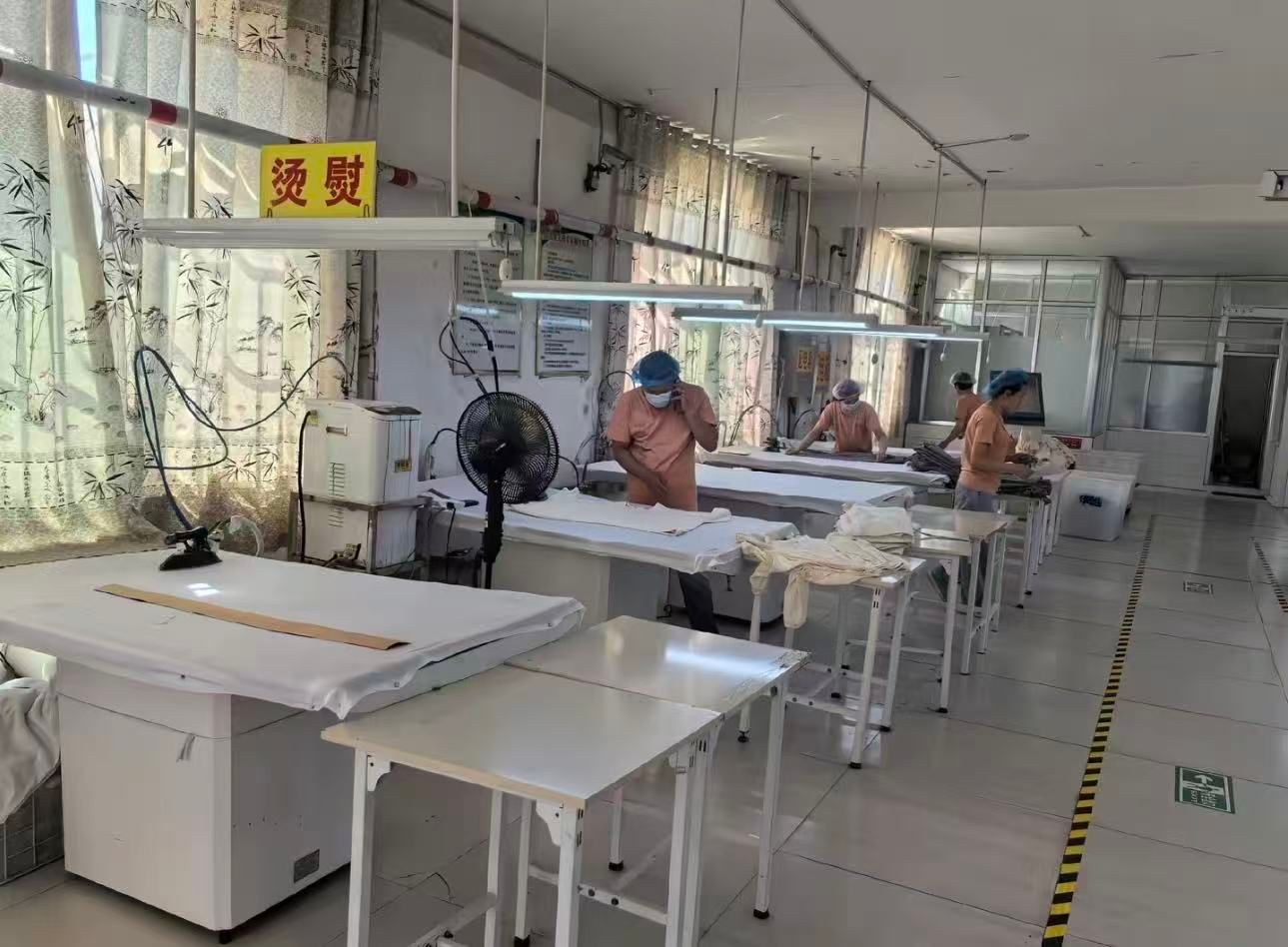
AQL inspection
Sampling plans and defect classes for textile inspection.
Open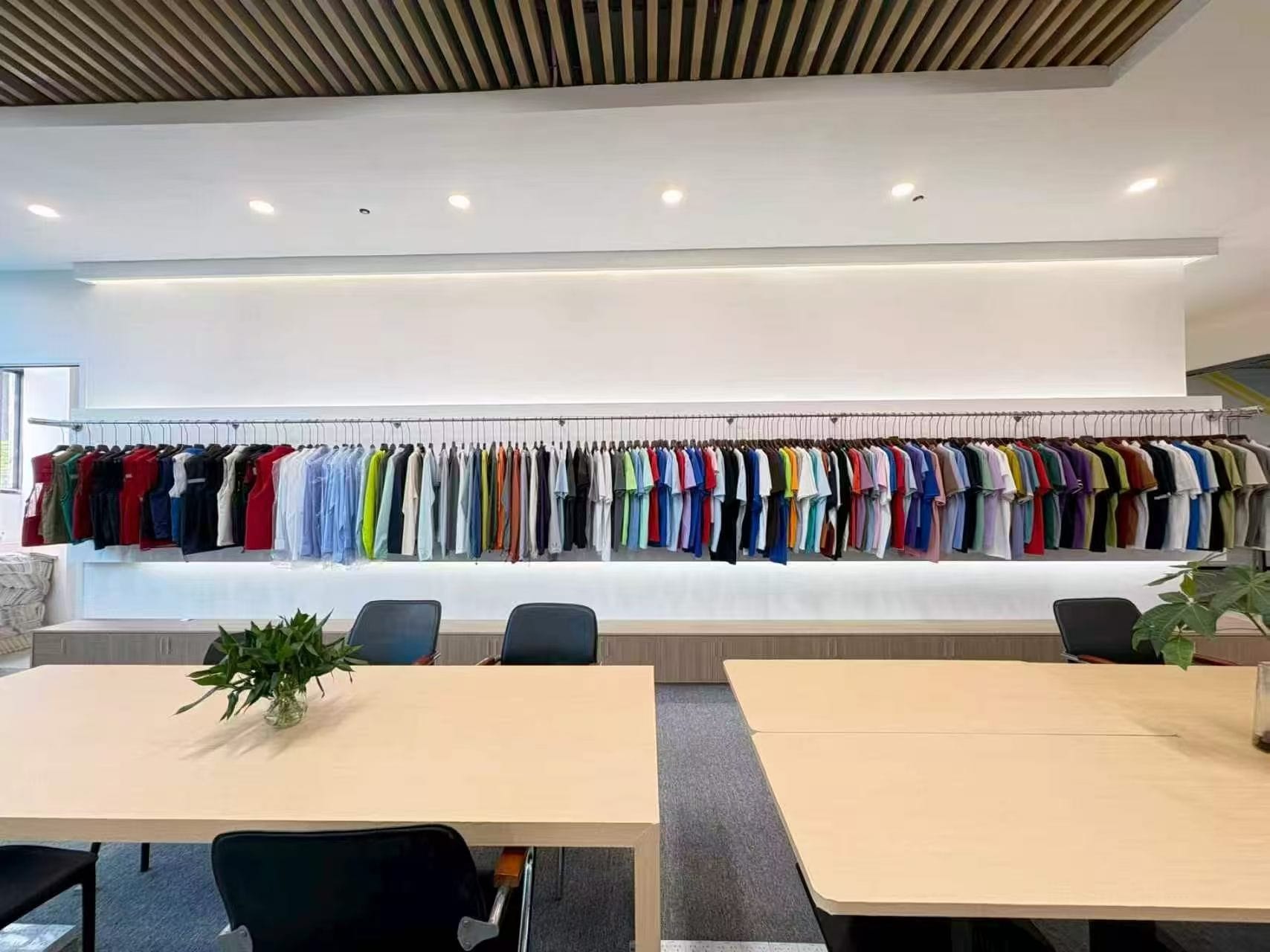
Sourcing in China
Manufacturer search, verification and negotiation.
Open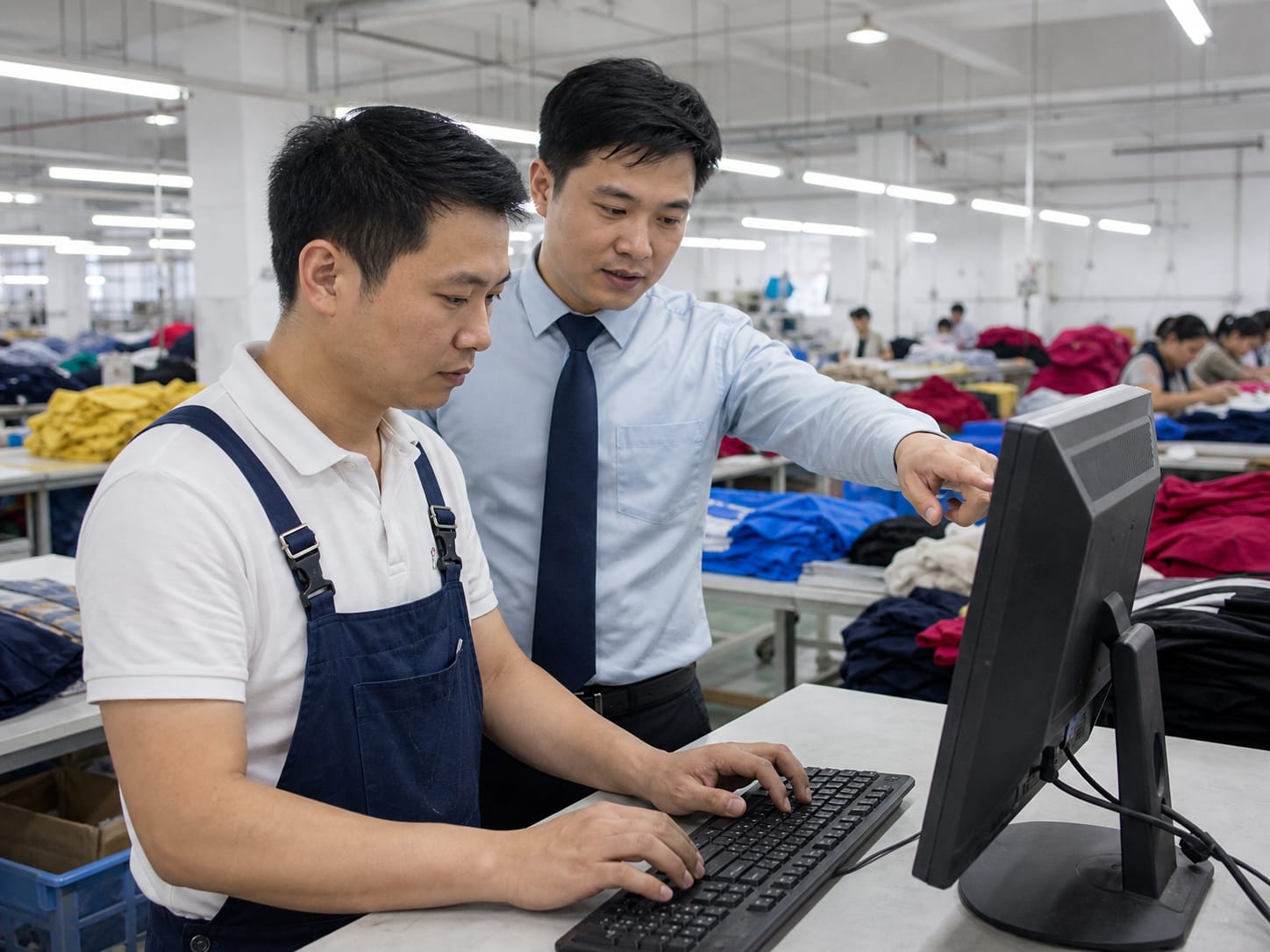
Quality control
Checks by our own team during production and before shipment.
Open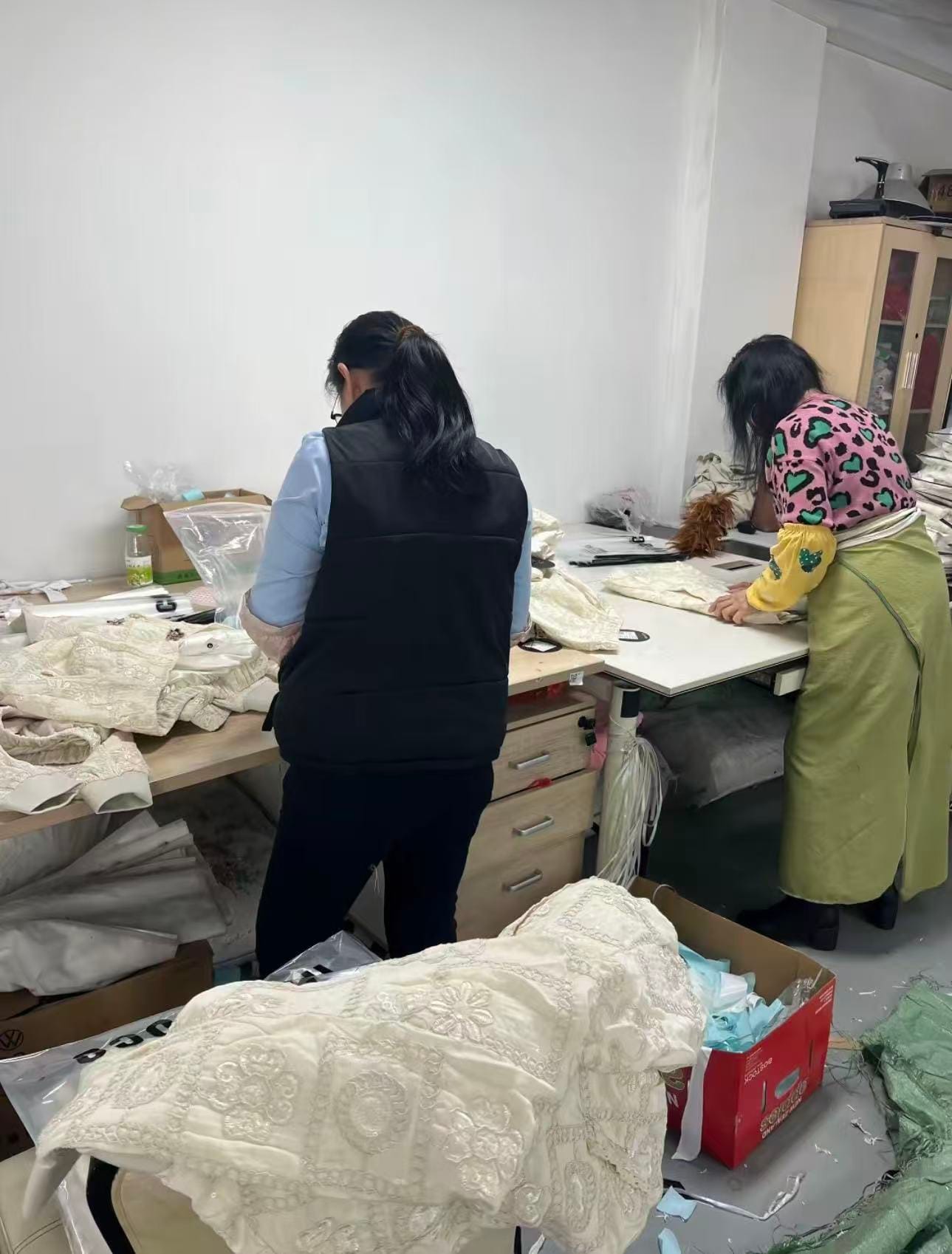
Private label clothing
From specification and labels to repeat orders.
OpenFrequently asked questions
Which sportswear products can be sourced?
Among others, sublimated jerseys, running and training shirts, leggings, combat sports shorts, warm-up jackets, softshells and technical outdoor trousers. For each article we choose a producer that specialises in that type of garment and fabric.
What is the minimum order?
Sportswear is produced from 300 pieces per article. The feasible size and colour split depends on the selected fabric and production setup.
How is the fit approved?
You assess a physical sample before series production and approve measurements, size grading, seam positions and freedom of movement in writing.
Are functional properties tested?
Where functional claims are required, the test method and evidence must be defined for the project. On-site inspection and laboratory testing cover different questions and are planned accordingly.
Which fabric works for opaque leggings?
Polyamide and elastane blends with a high elastane share and enough weight are common; seamless leggings, for example, use about 76 % polyamide and 24 % elastane at 220 to 250 g/m². Whether a fabric stays opaque when stretched only shows on the sample, so this check is part of the approval.
Can every jersey be fully sublimated?
Full sublimation works on light fabric with a high polyester share. On cotton or dark fabrics the design does not hold; there, screen print, heat transfer or embroidery are the alternatives.
Your activewear, our reply within 48 hours
Send us the article, its intended use, the fabric you have in mind or a reference garment, your logos and the quantity per size. We get back to you within 48 hours. If you have no tech pack yet, we sort out fit and fabric together on a call.
Request a quote