Producing bags in China
We find producers for tote bags, drawstring bags, backpacks and similar textile bags, have samples made, let our own team check the goods at the producer and deliver DDP from 300 pieces.
Request a quoteThe intended load shapes the bag
Before we compare prices, we clarify what the bag has to carry and how often. A trade-fair bag only needs to hold a few brochures, while a canvas shopper carries bottles and vegetables every week for years. From that use we derive dimensions, outer fabric, lining, pockets, handles or straps, closures, reinforcements and hardware, and put all of it in writing.
A drawstring gym bag, a lined tote with a zipped inner pocket and a backpack with padded straps are made on different machines. For backpacks and belt bags we therefore ask producers who sew exactly these constructions. A simple cotton bag, by contrast, can run at a workshop that mainly handles flat pieces.
One European contact for your bag, a team at the producers in China
DS Trading is based in Hamburg. Our co-founder Felix Sander works in China with a whole team that comes from sourcing and knows more than 100 producers personally. If you want to know whether a workshop finishes padded backpack straps cleanly, or which canvas it is using at the moment, someone from the team goes there and looks.
Many companies experience importing from China as a black box. With us, one European contact takes you through the whole project, from the first sketch of your bag to DDP delivery, and makes it happen. Your contact gets in touch on their own whenever there is news, for example when the fabric arrives a day late or a print colour has to be remixed. We plan realistic delivery dates for your bags and do everything we can to meet them. Your trust matters more to us than anything: if there is a quality problem, we call you straight away and come to see you in person.
For bags, our price is usually lower than with your own sourcing or other sourcing agencies. That is because we organise the step in China and the step in Germany ourselves. We compare on both sides and take the cheaper solution each time, and with bulky bags that applies to freight in particular. With the producer we negotiate the best possible price. The bags arrive DDP, and we invoice from Germany.
- Bag producers our team in China knows on site
- One European contact from sketch to delivery
- Air and sea freight compared for bulky goods
- Bags delivered DDP to your warehouse, invoiced from Germany
Materials, fabric weights and construction
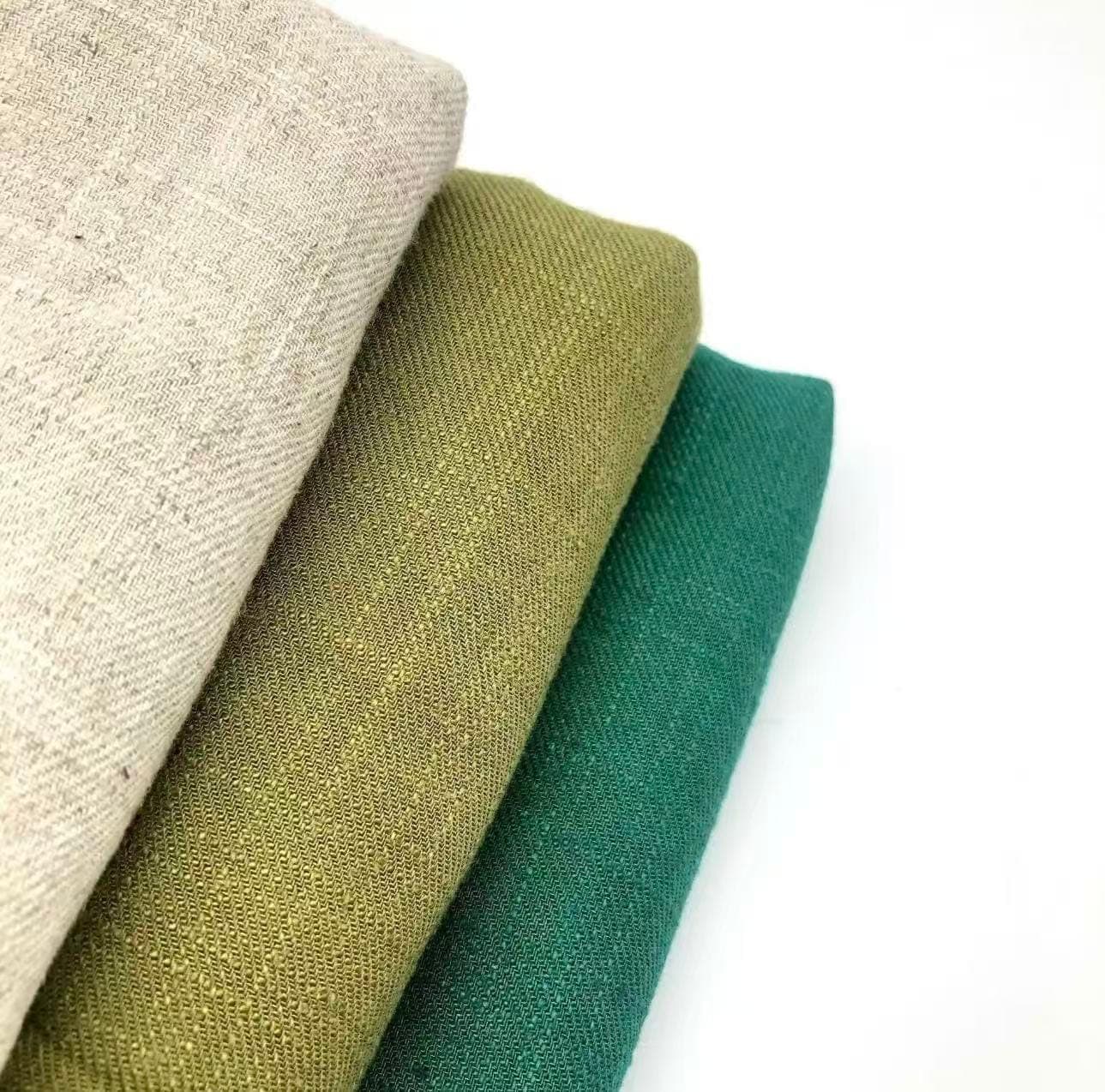
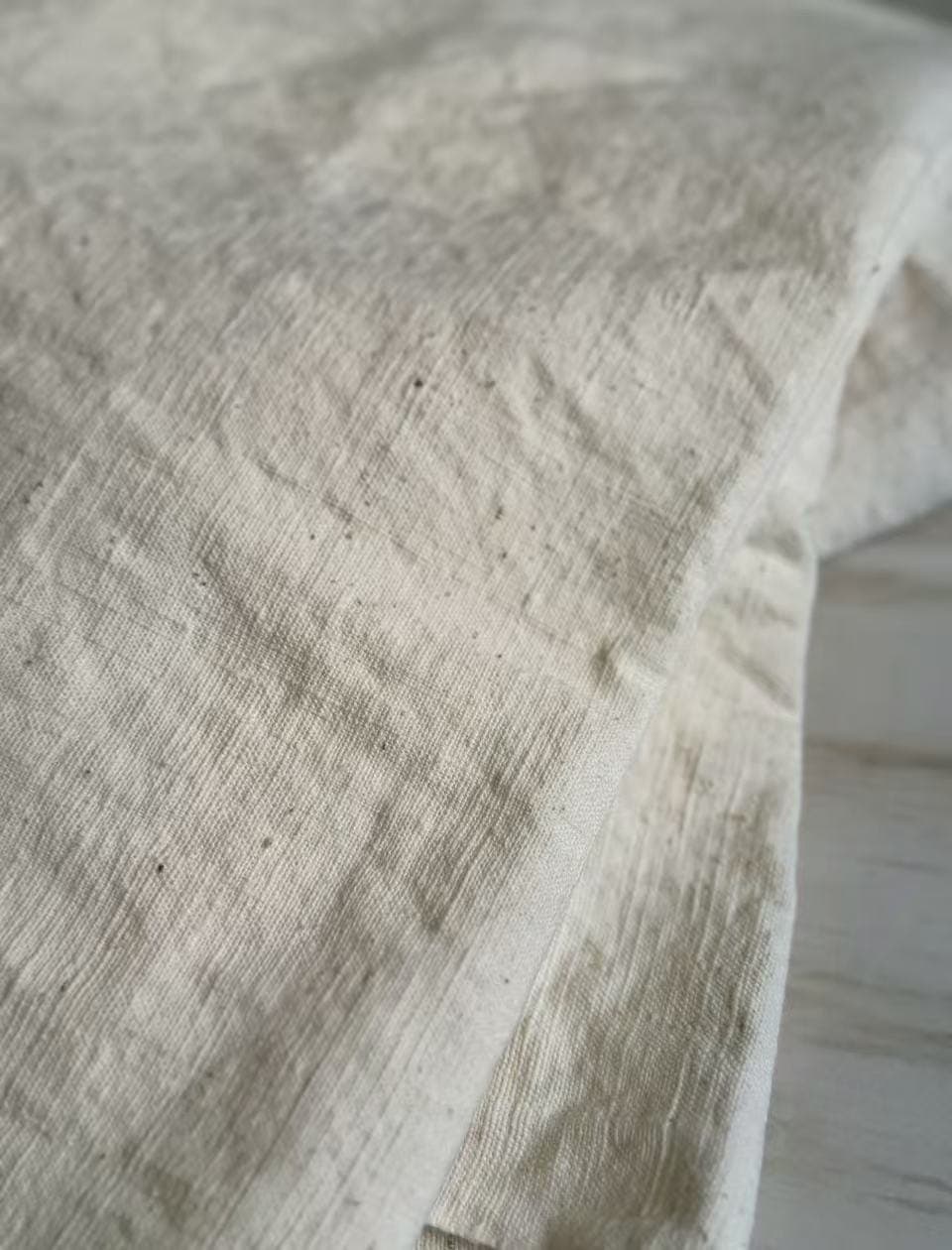
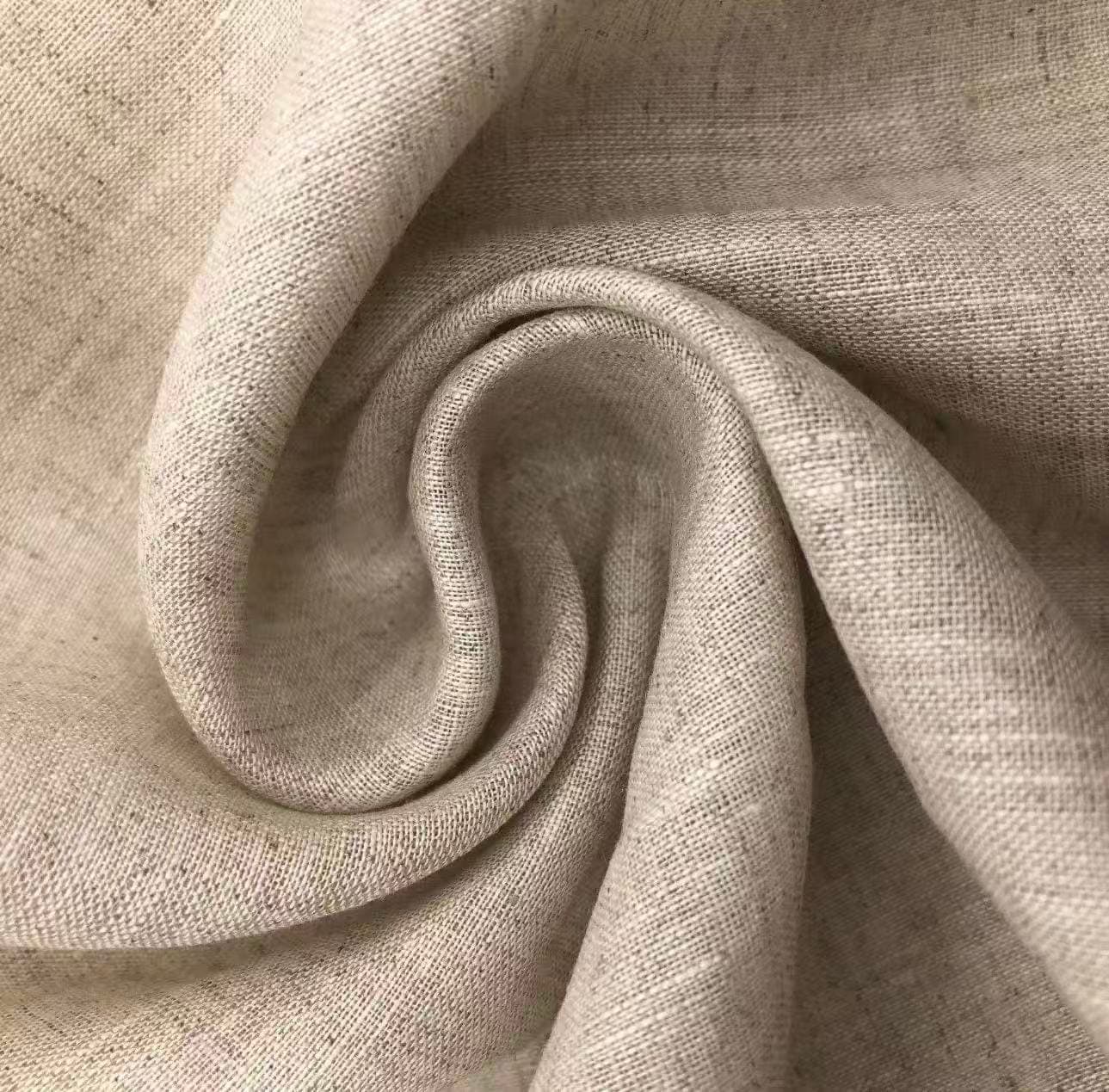
For cotton canvas, the fabric weight is usually given in ounces. 12 oz is roughly 400 g/m², 16 oz roughly 540 g/m². Canvas in this range almost stands up on its own and suits shoppers that are meant to last. Promotional bags that are shipped folded can use a much lighter cotton. Gym bags and sports bags are often made of polyester, which barely absorbs water and takes print well.
On backpacks, the figure 600D describes the yarn thickness of the polyester fabric. The higher the number, the coarser and more hard-wearing the weave. A coating on the back makes the fabric water-repellent. For a volume of around 18 litres we also define back padding, strap width, the number of compartments and the type of zips.
Workmanship decides at the load points. Handles are sewn on with a box-and-cross stitch or secured with bartacks, cords run through metal eyelets or reinforced corners. A gusset at the bottom gives the bag stability and volume. Finished inner seams or a lining stop the fabric from fraying.
Sample, branding and material approval
The sample shows whether the proportions are right, whether the handles are long enough to go over a shoulder and how easily the compartments open. You approve logo position, print or embroidery, labels, colours and packaging on the same bag.
Screen printing is the most common finish on bags, in several colours too. Coarse canvas takes ink differently from smooth polyester, so we check opacity on the sample already. The print area needs some distance from seams and handles. For small logos on backpacks, embroidery, woven labels or patches also work well.
Every bag series starts with a sample. We charge for the sample and for shipping it to you, and you know both amounts before we order it. The series is only sewn after you have approved the sample in writing. Changes after the sample, such as a longer handle or a different print shade, go into the specification so that a reorder looks exactly the same.
Inspection of seams, closures and load points
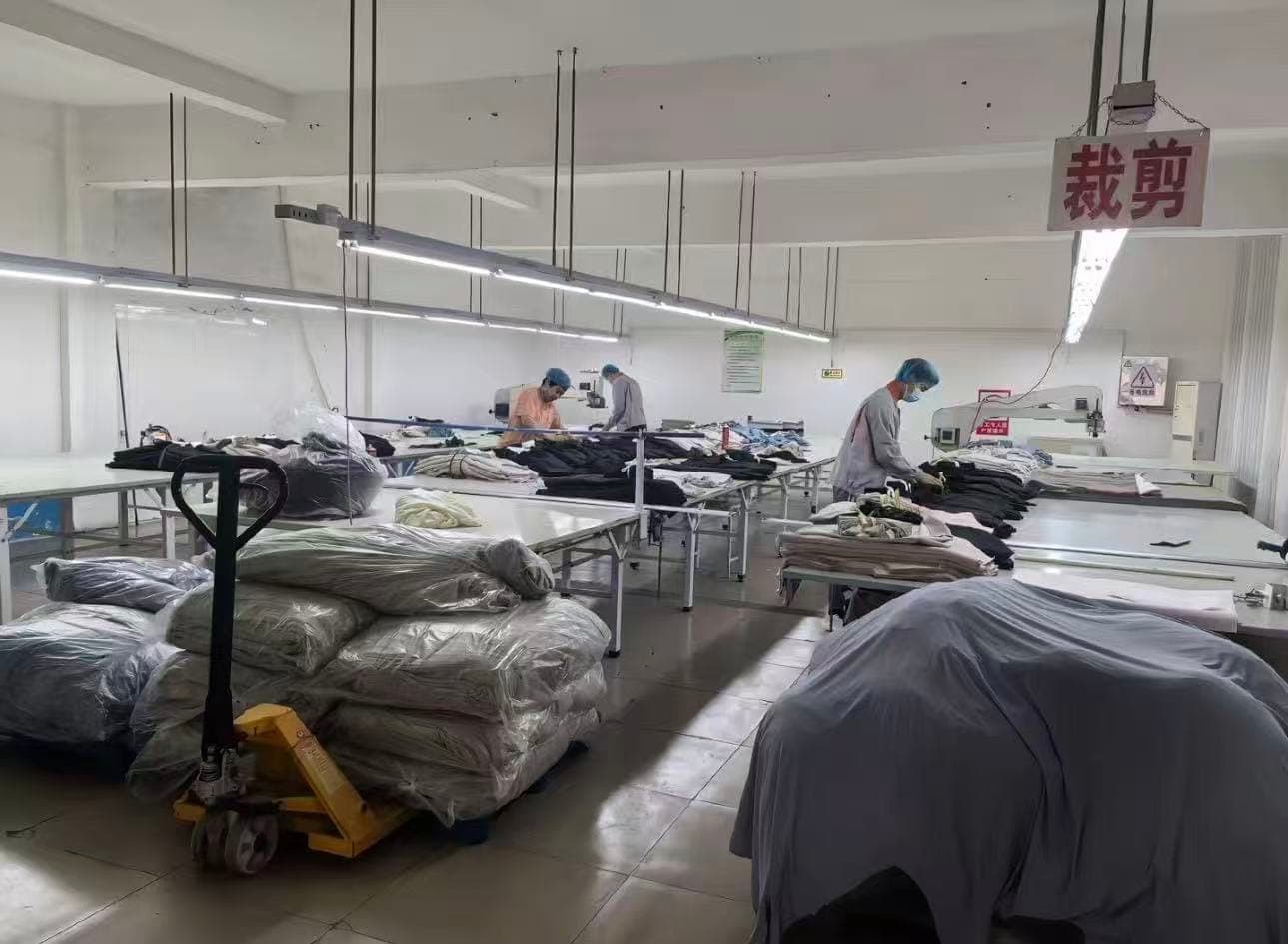
Our team in China checks every bag order twice, directly at the producer. The first check takes place while the bags are being sewn. At that point a wrong fabric shade, a shifted print or handles that are too short can still be corrected before the whole quantity is finished.
Before shipment, our team looks at the finished bags a second time. Depending on the bag, this covers height, width and gusset, handle length, seams and bartacks at the load points, how the zips run, eyelets and cords, print and labels, colour against the approved sample, packaging and quantity. Where the use requires it, we add a load test with a defined weight to the checklist. If you do without both checks, the order costs less.
Typical faults on bags are handles attached at an angle, missing bartacks, loose thread ends, zips that catch and marks on light canvas. Colour differences appear when one order is sewn from two fabric lots. We go through these points with the producer before production starts and look for them specifically at both checks.
Customs, volume and DDP import
For customs, what matters most with bags is the material of the outer surface. A bag with a textile outer surface is classified differently from one with a plastic surface, and a backpack differently from a simple pouch. We check the classification for your specific article before import.
Bags are light but take up a lot of space. In air freight the volumetric weight often counts more than the actual weight. Flat bags pack tightly, while padded backpacks need far more room in the carton. We calculate sea and air freight for your quantity and choose the cheaper option that still meets your date.
Depending on the bag, production takes from a few days to about four weeks. The journey to Germany then takes about 15 days by air or 50 to 65 days by sea, delivered DDP to your address. Payment is 60% on signing and the remaining 40% once the bill of lading or air waybill is available. We start at 300 pieces per article.
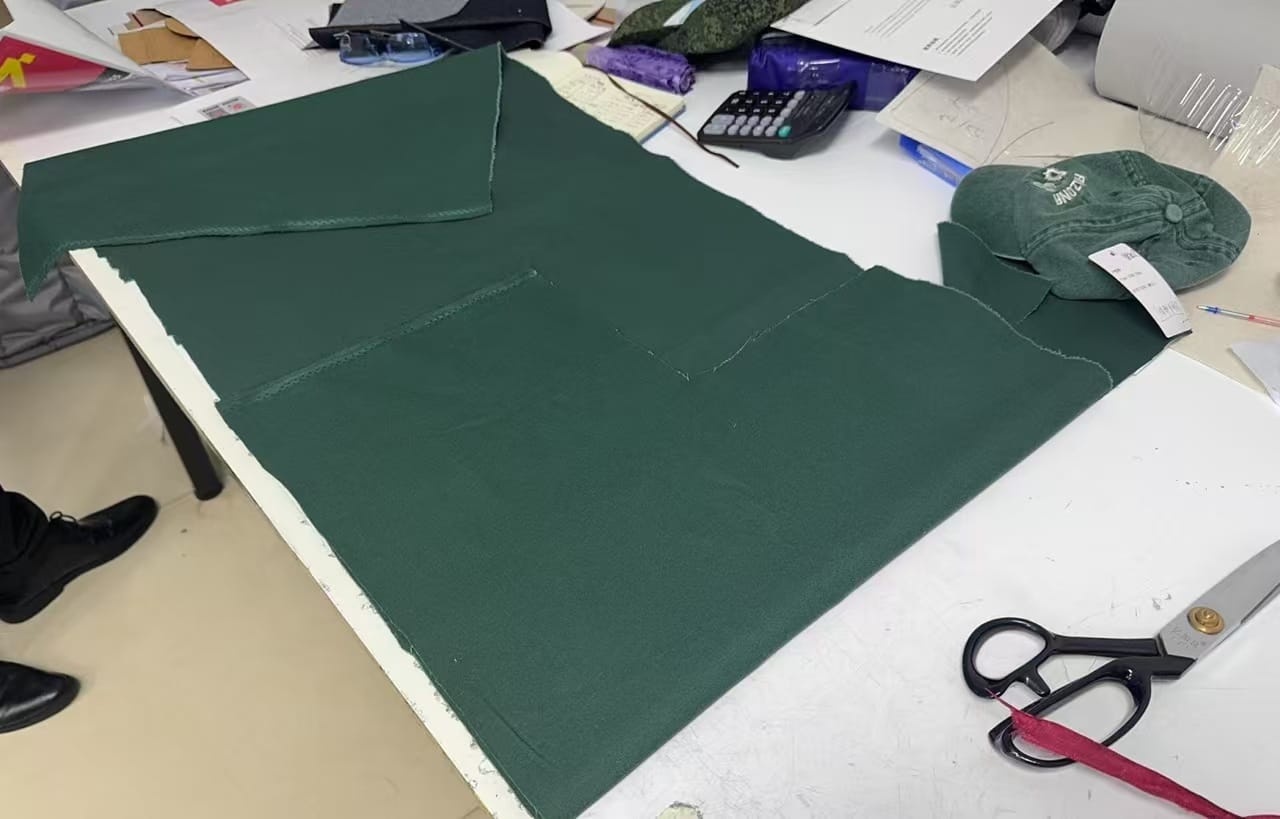
On site at our producers
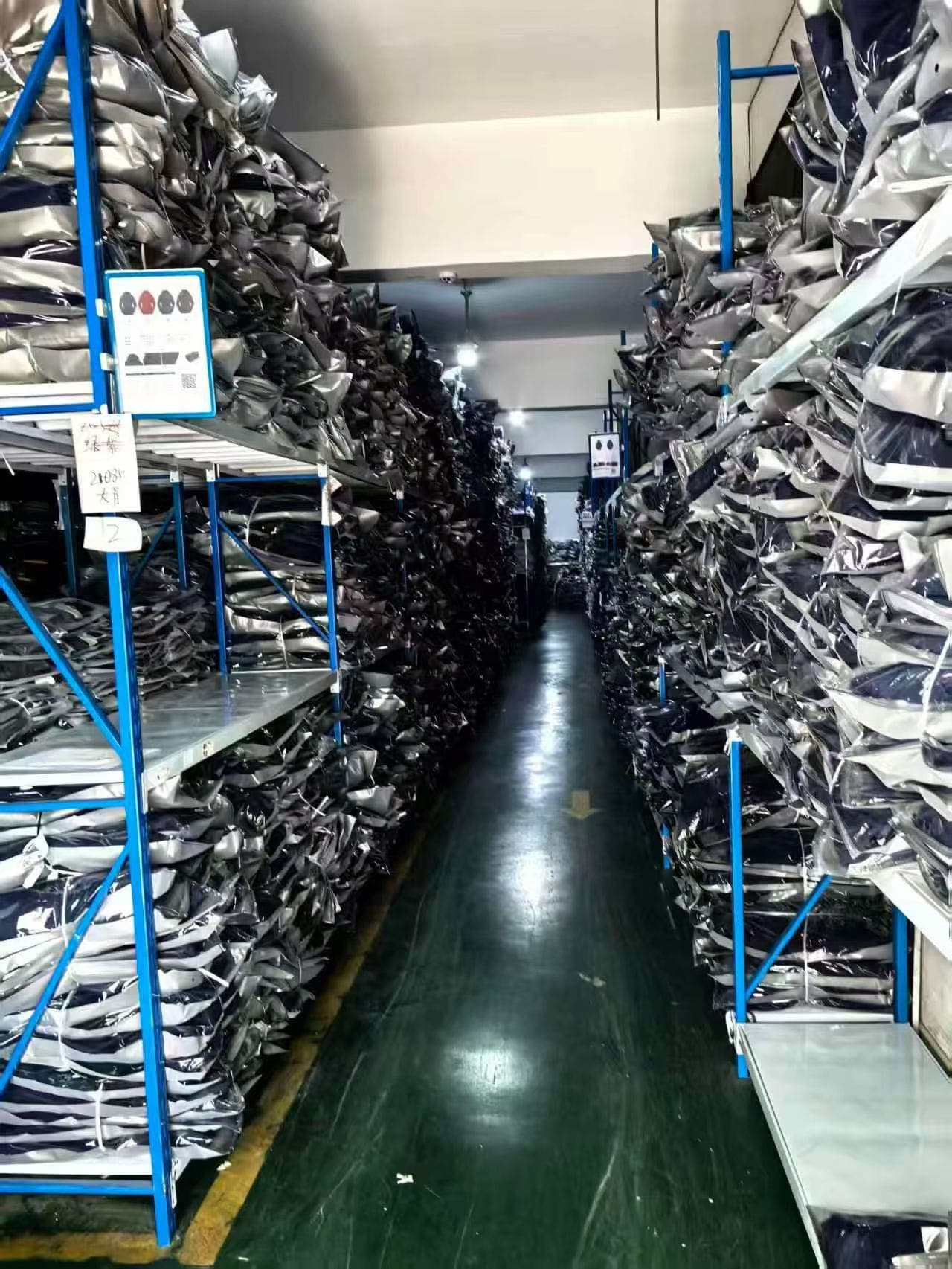
What you can check on your bag order
- The approved sample, with dimensions, handle length, print position and colour, is the reference for the series and for reorders.
- The producer is verified before your first order, including a check of its business licence.
- Our own team in China checks twice at the producer: once while the bags are being sewn and once on the finished goods before shipment.
- Load points, seams, zips and eyelets are checked against the agreed checklist, with a load test if you want one.
- Quantity, packaging and cartons match the packing list.
- Your contracting party is a German company, and the invoice with a German VAT ID comes from Germany.
- DDP delivery to your address in the EU with customs and import VAT settled; Switzerland receives DAP delivery.
Cap manufacturers
Private-label accessories with defined construction and branding.
Open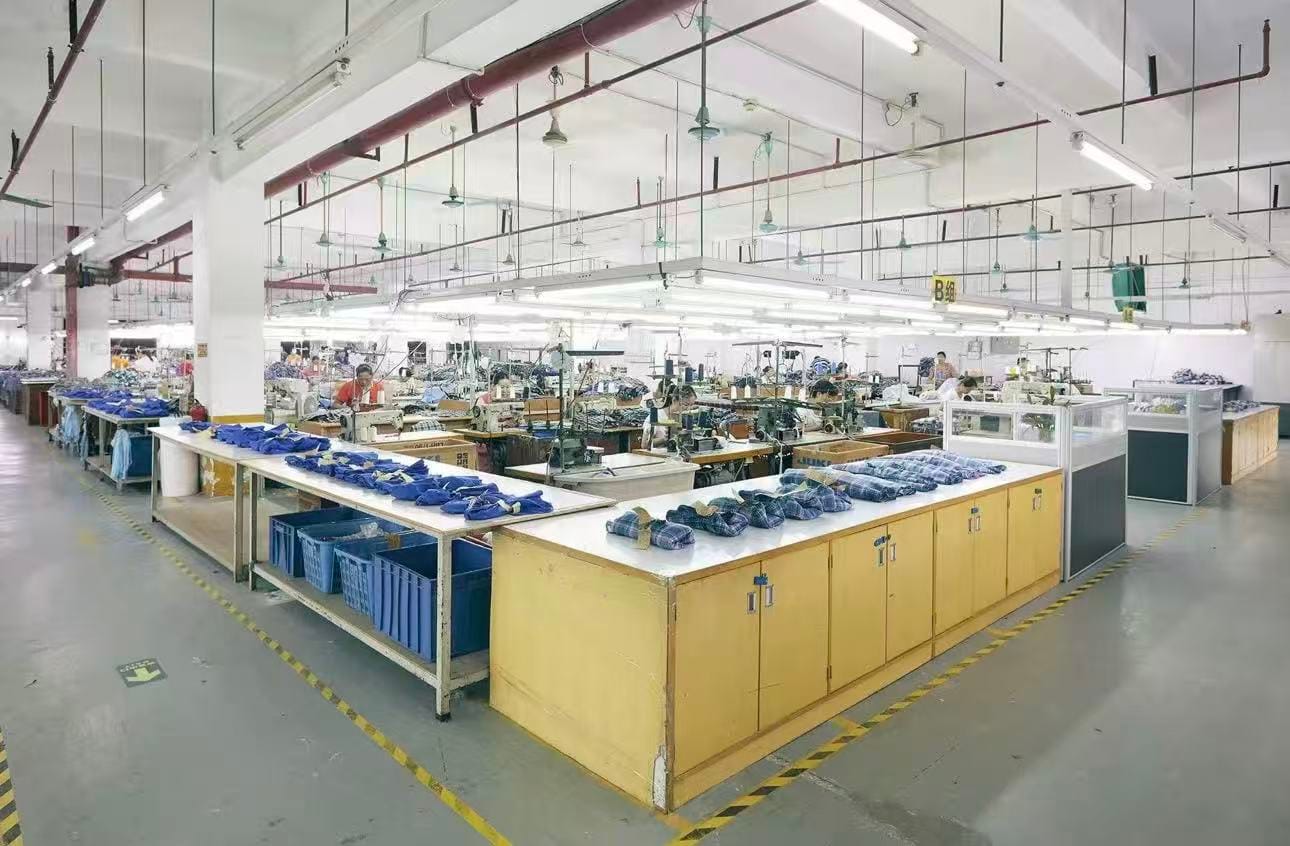
Clothing manufacturers
Manufacturer search and verification across product categories.
Open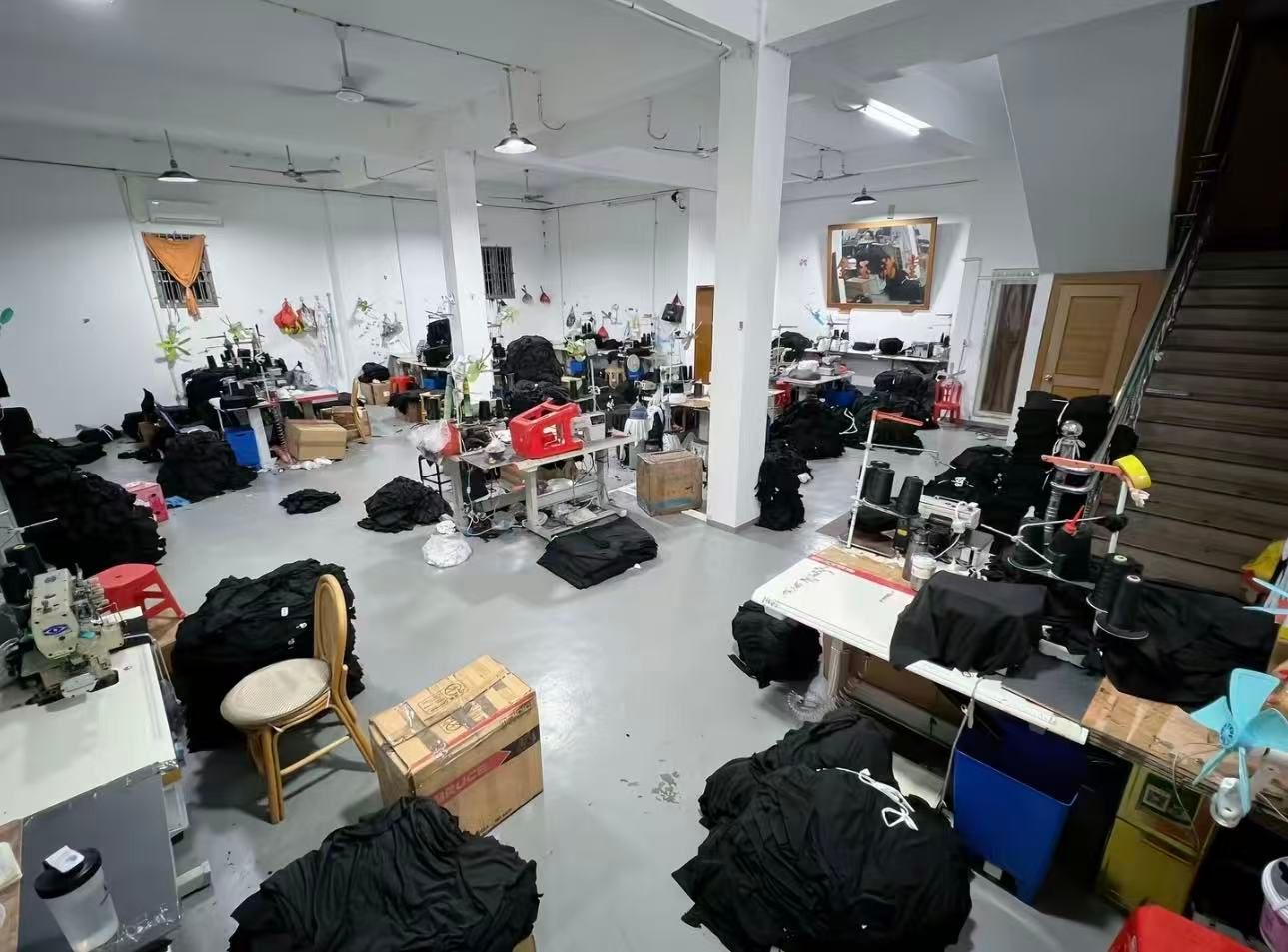
Finding suppliers
How supplier search and verification work.
Open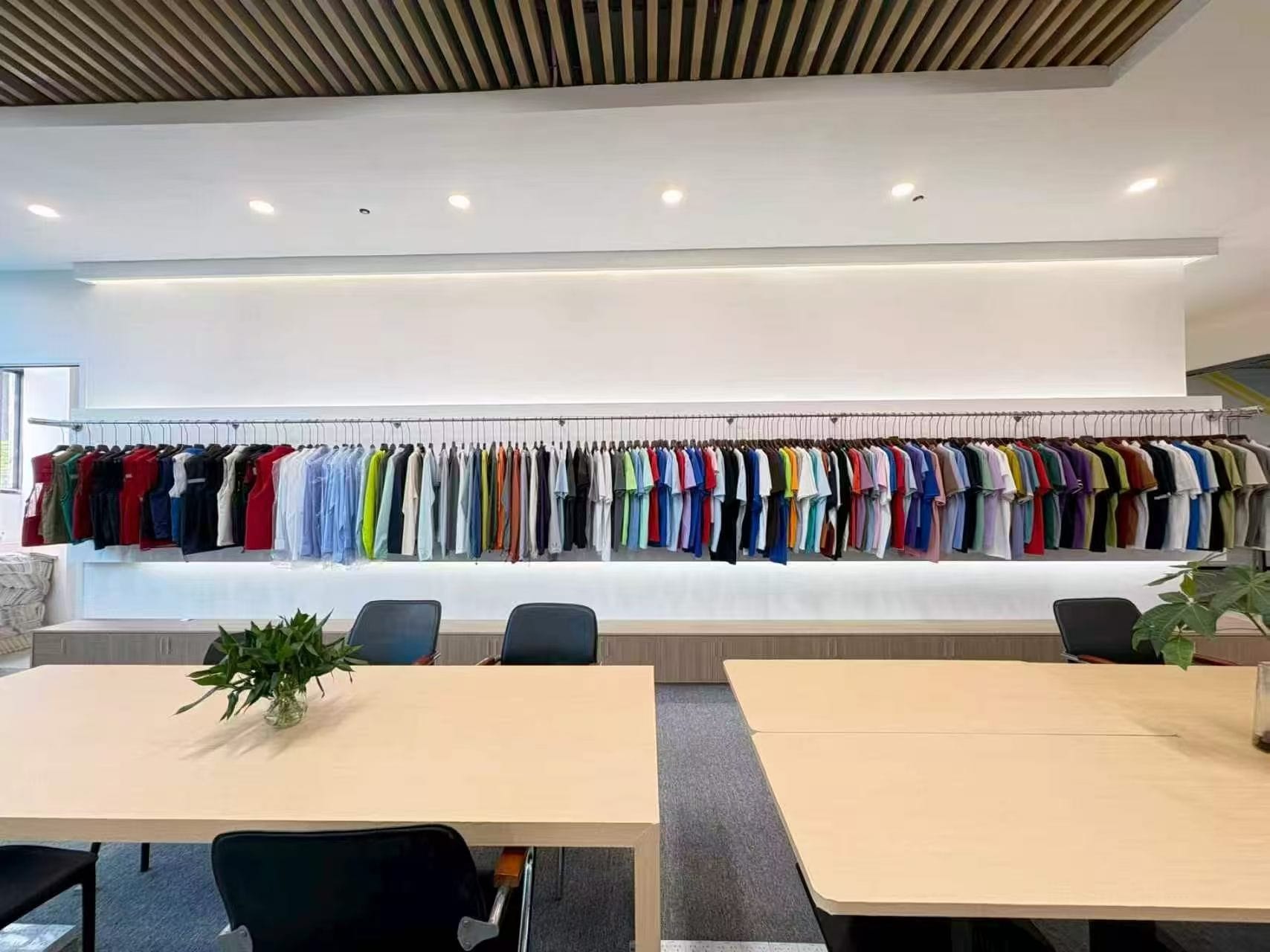
Sourcing in China
Manufacturer search, verification and negotiation.
Open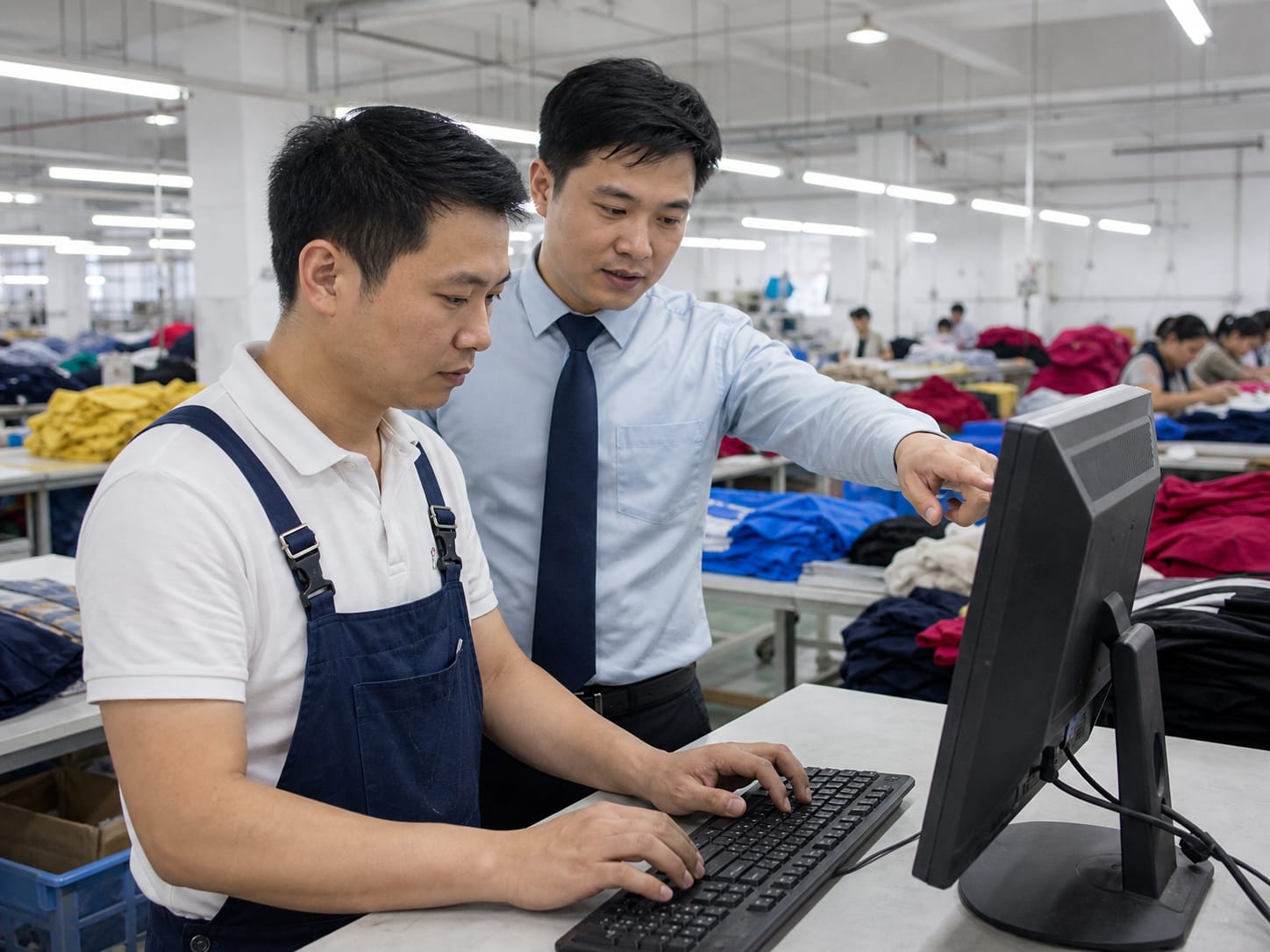
Quality control
Checks by our own team during production and before shipment.
Open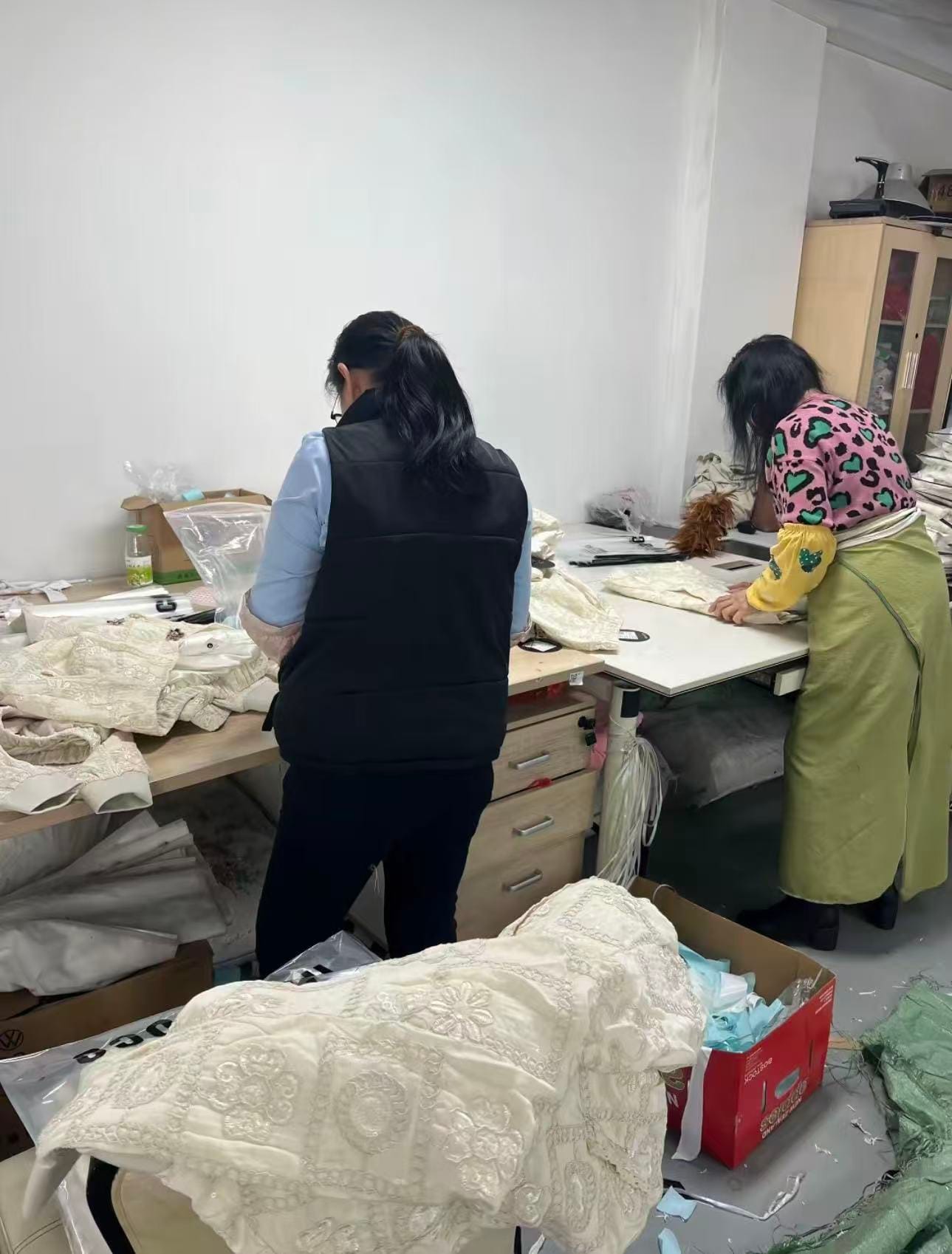
Private label clothing
From specification and labels to repeat orders.
OpenFrequently asked questions
Which types of bags can be produced?
Tote bags and shoppers made of canvas or cotton, drawstring gym bags, sports bags, backpacks and belt bags. For each construction we choose a producer who sews exactly this kind of bag.
Can bags carry my own branding?
Yes. Screen printing in one or several colours, embroidery, woven labels, patches and your own packaging are all possible. You approve everything on a physical sample before the series starts.
What is the minimum order?
Production starts at 300 pieces per article. How the quantity can be split across colours or sizes is clarified with the producer concerned.
How are load points checked?
Our team checks handles, straps, bartacks, seams and closures at the producer against the approved sample. If the bag has to carry a certain weight, we add a load test with that weight to the checklist.
What should a bag enquiry contain?
Helpful details are the type of bag, dimensions, material and fabric weight, handle or strap length, pockets and closures, colour, logo with size and finishing method, packaging and quantity. A photo of a reference bag is enough to start with. If details are missing, we clarify them with you on the phone.
How long does bag production take?
Depending on the construction, production takes a few days to about four weeks; a simple pouch is quicker than a backpack. Transport to Germany adds about 15 days by air freight or 50 to 65 days by sea freight, both delivered DDP.
Your bag, quoted within 48 hours
Send us a photo or sketch, the dimensions you need, the material, your logo and the planned quantity. We reply within 48 hours. If there is no technical drawing yet, we clarify the details in a short call.
Request a quote